How to Nail the Zone 6b Planting Schedule 2027 Flowers Like a Pro
Timing Your Blooms: The Art of Zone 6b Flower Planting
Ever stared at your garden patch and wondered why those flowers just won’t pop? The secret sauce is all in timing—when you plant and what you choose to plant.
Here’s what you’ll learn: a detailed roadmap for planting flowers in Zone 6b, tailored to 2027’s climate quirks and gardening rhythms. zone 6 planting provides further details on this.
📌 Quick Summary: For Zone 6b gardeners aiming for a spectacular 2027 flower display, planting windows are crucial. Early spring and late summer are your heavy-hitters, with specific flower types flourishing when sown at the right time.
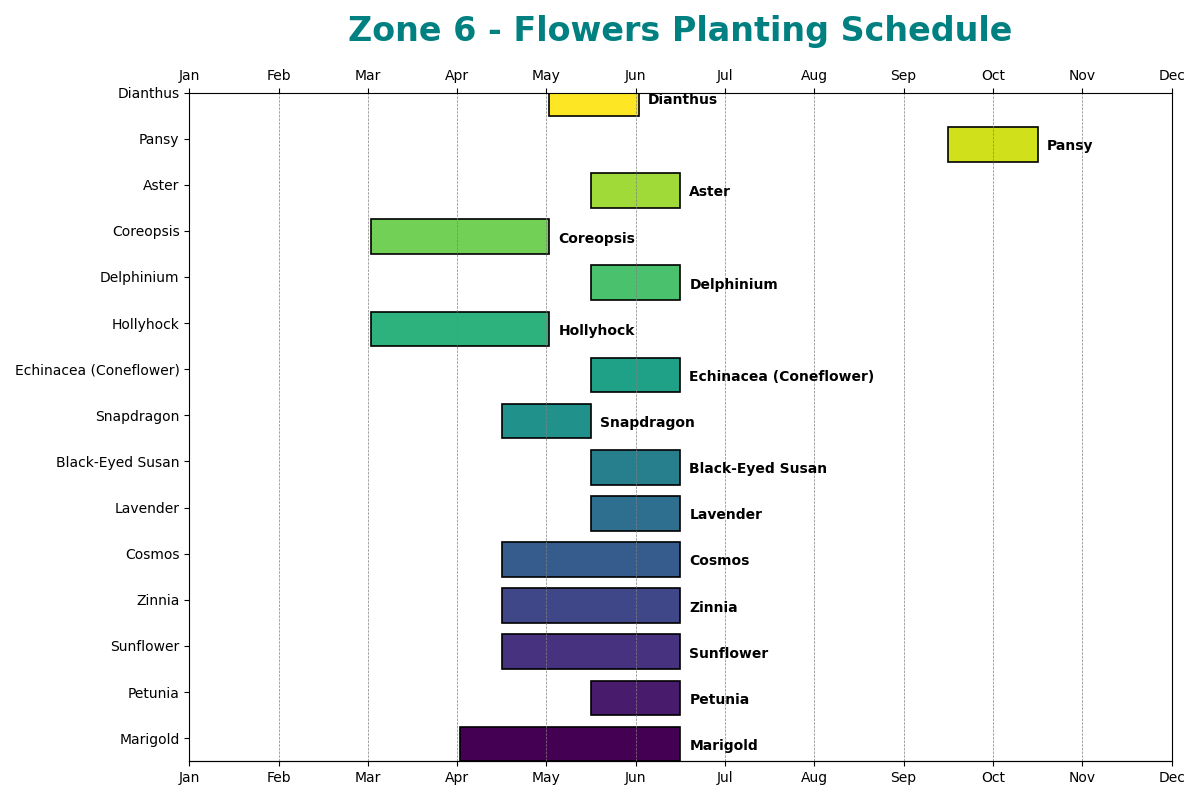
Understanding Zone 6b Weather Patterns and Their Impact
Zone 6b sits in a sweet spot—not too hot, not too cold. Winters dip to around -5°F (-20.5°C), while summers can get warm but rarely scorch. This gives a moderate growing season—perfect for many flowers.
But don’t be fooled; late frosts can still bite, especially in early spring. That’s why knowing frost dates is non-negotiable.
Frost Dates: Your Planting Compass
The average last frost in Zone 6b usually hits around mid-April. But in 2027, meteorologists are predicting a slightly earlier spring, nudging that date to early April in some areas.
Planting too soon? Expect heartbreak and frost-bitten blooms. Be sure to explore further reading as well. Wait too long and you lose valuable growing time.
Seasonal Temperature Swings
By late summer, temperatures cool just enough to encourage second-wave blooms. This is your chance to plant late summer flowers that thrive in cooler nights.
Understanding these swings lets you stretch your garden’s color timeline—from spring’s first blush to fall’s final flourish.

Month-by-Month Flower Planting Schedule for Zone 6b in 2027
Here’s the nitty-gritty: the calendar roadmap to follow if you want those gardens screaming with color come summer and fall.
March to April: Get a Head Start Indoors
Start seeds indoors for heat-loving flowers like marigolds, zinnias, and cosmos. These babies hate frost but love the sun.
Plant hardy perennials like coneflowers and black-eyed Susans outdoors once the soil thaws.
May to June: The Outdoor Planting Frenzy
By mid-May, after danger of frost is mostly behind, transplant seedlings outdoors. This is prime time for annuals—you want them in the ground early.
Also, sow direct-seed flowers such as sunflowers and nasturtiums. pa unemployment provides further details on this. They germinate quickly and fill gaps fast.
July to August: Think Late Bloomers
Plant asters, chrysanthemums, and other fall bloomers now. They’ll reward you with color when most spring flowers have faded.
This is also a good time to divide overcrowded perennials to keep your garden fresh and vigorous.
September to October: Final Touches Before Winter
Plant spring-blooming bulbs like tulips and daffodils. Yes, now’s the time to get them in the ground for that early 2027 pop.
Clean up spent plants to reduce pests and diseases over winter. Mulch heavily to protect roots from freezing temps.

Picking the Right Flowers for Zone 6b’s 2027 Climate
Not all flowers are created equal. Some will sulk in Zone 6b’s soil and climate, while others dance with joy.
Top Performers for the 2027 Season
- Daylilies: Tough, adaptable, and bloom nonstop in summer heat.
- Peonies: Love the cold winters to break dormancy and come back strong.
- Coreopsis: Drought-resistant and bright as a marquee sign.
- Bleeding Heart: Perfect shade-tolerant perennial with unique blooms.
Flowers to Avoid
Tropical blooms like hibiscus tend to struggle unless given special care indoors. Also, tender annuals that demand hot, long summers often underperform.
Knowing what to skip saves you from wasted effort and money in 2027’s garden season. For more context, schedule printable is worth reviewing.

My Experience: The Garden That Refused to Cooperate—Until I Got the Schedule Right
A couple of years ago, I planted zinnias in early March outdoors, ignoring frost warnings. The result? A soggy mess of brown petals.
After switching to indoor seed starting and sticking rigidly to the Zone 6b planting dates, my garden exploded with vibrant blooms by June. Timing isn’t just a suggestion—it’s your best weapon.
Some years, weather throws curveballs (2027 might be one), but a solid schedule is your safety net.
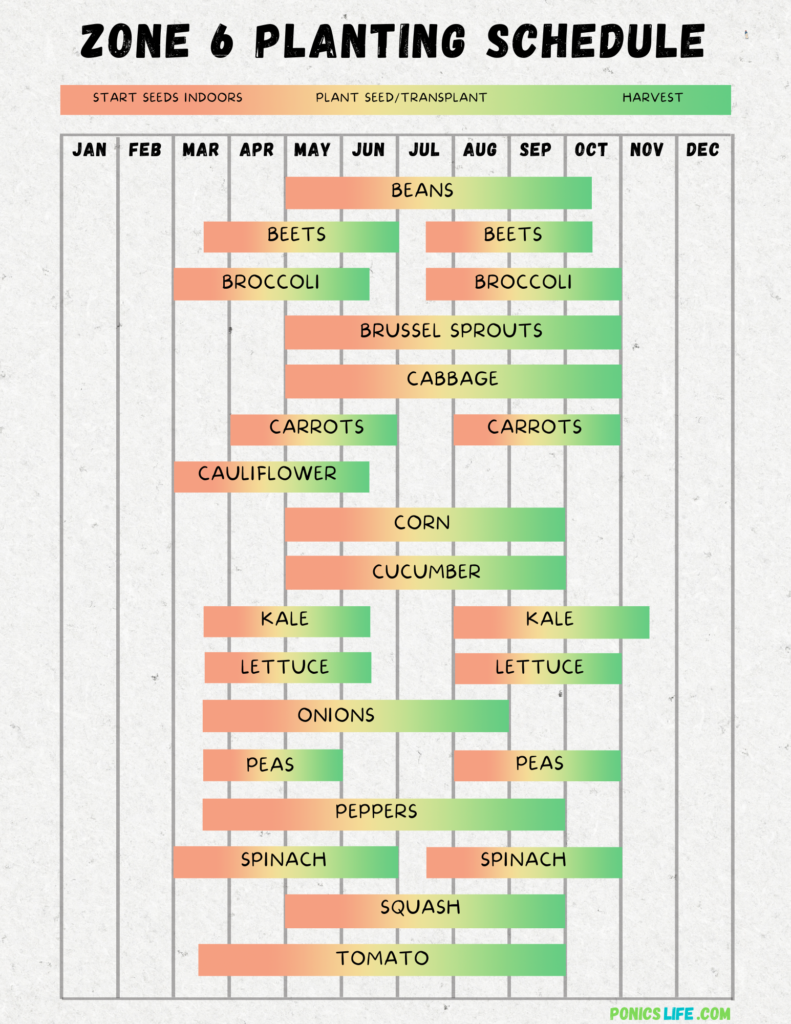

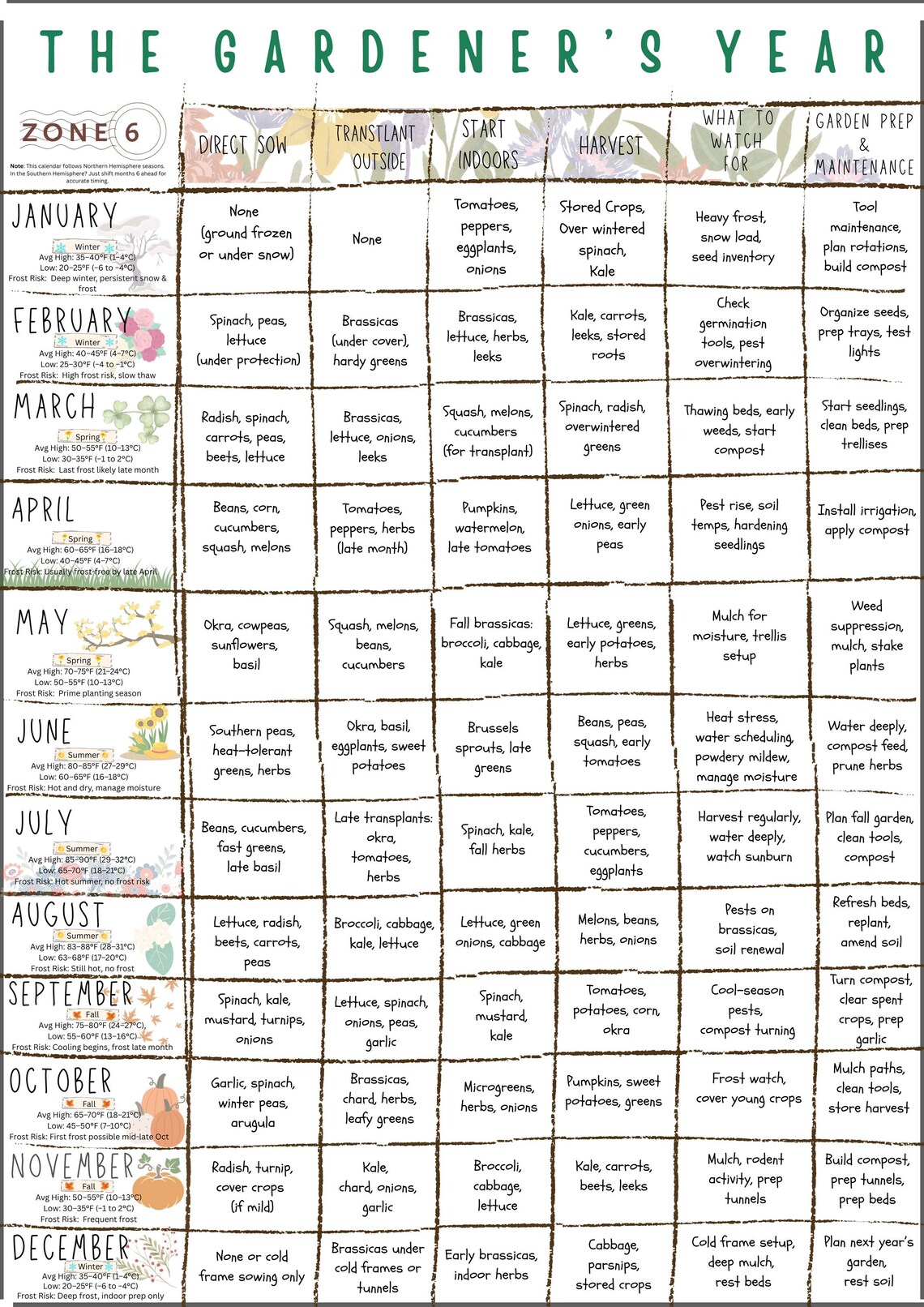
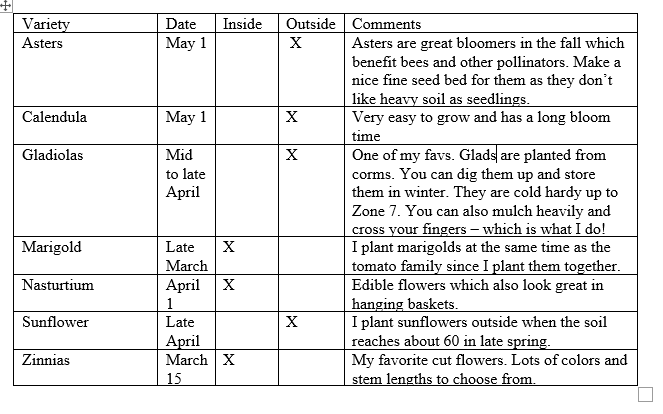
My Planting Schedule Zone 6b — Fox Run Environmental Education Center
Frequently Asked Questions
Can I plant flowers earlier than the last frost date?
It’s tempting but risky. Most annuals will die if exposed to frost. Start sensitive seeds indoors and transplant after the last frost.
How do I protect flowers from unexpected cold snaps?
Use frost cloths or old bedsheets overnight. For potted plants, bring them indoors or to a sheltered spot.
Are there flowers that bloom year-round in Zone 6b?
Not quite year-round, but perennials like daylilies and peonies offer long blooming seasons. Combining early spring bulbs and late fall asters gives extended color.
Essential Tools and Resources for Your 2027 Flower Planting
Good tools speed up work and improve results. A soil thermometer, quality seed trays, and moisture meters give you an edge.
Don’t underestimate the power of a well-kept garden journal to track what works each season.
Final Thoughts: Make 2027 Your Most Colorful Year Yet
Planting flowers in Zone 6b demands respect for the clock and the climate. Ignore these, and you’re courting disappointment.
But stick to the schedule, choose wisely, and watch your garden come alive in ways you never thought possible.

Kyle Wells is a seasoned scheduling expert with over a decade of experience in optimizing time management and productivity. Passionate about helping individuals and organizations maximize their potential through effective scheduling strategies, Kyle is committed to delivering insightful content on Schedule Central.