How to Nail Your Zone 6 Planting Schedule 2027 Flowers Like a Pro
When to Plant What? Timing Tricks for Zone 6 Flower Lovers
Ever stared at your garden and wondered why some flowers just don’t bloom on cue? Zone 6, with its fluctuating spring chills and crisp autumns, demands a planting plan that’s as sharp as a tack. If you want those 2027 blossoms to show off, timing is everything.
You’ll learn how to sync your sowing and transplanting with the sneaky frosts and sun-soaked days typical of Zone 6. Additionally, act schedule covers similar aspects. Plus, I’ll share my own trial-and-error wins and fails to keep your flowerbeds buzzing.
📌 Quick Summary: Zone 6’s unpredictable temps mean planting schedules must be precise. Be sure to explore b form as well. Starting seeds indoors in late winter and transplanting after the last frost ensures robust flowers. Knowing your frost dates is your secret weapon.
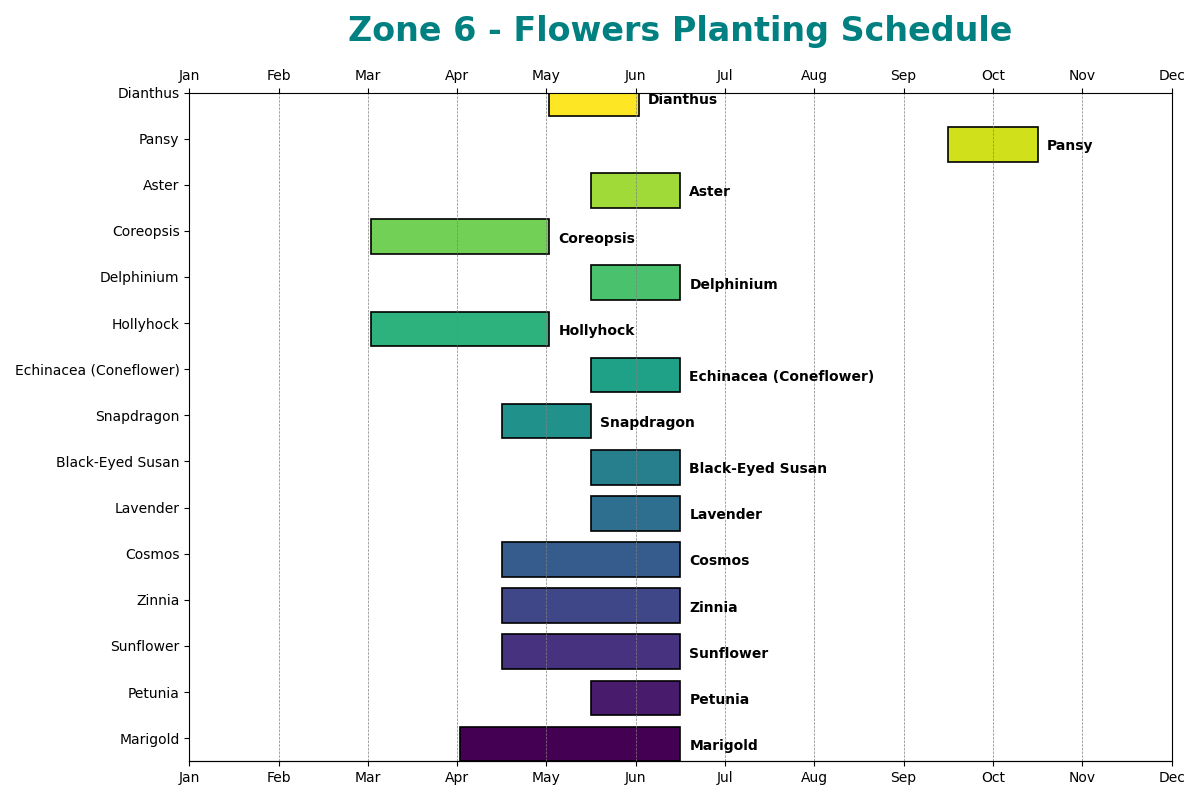
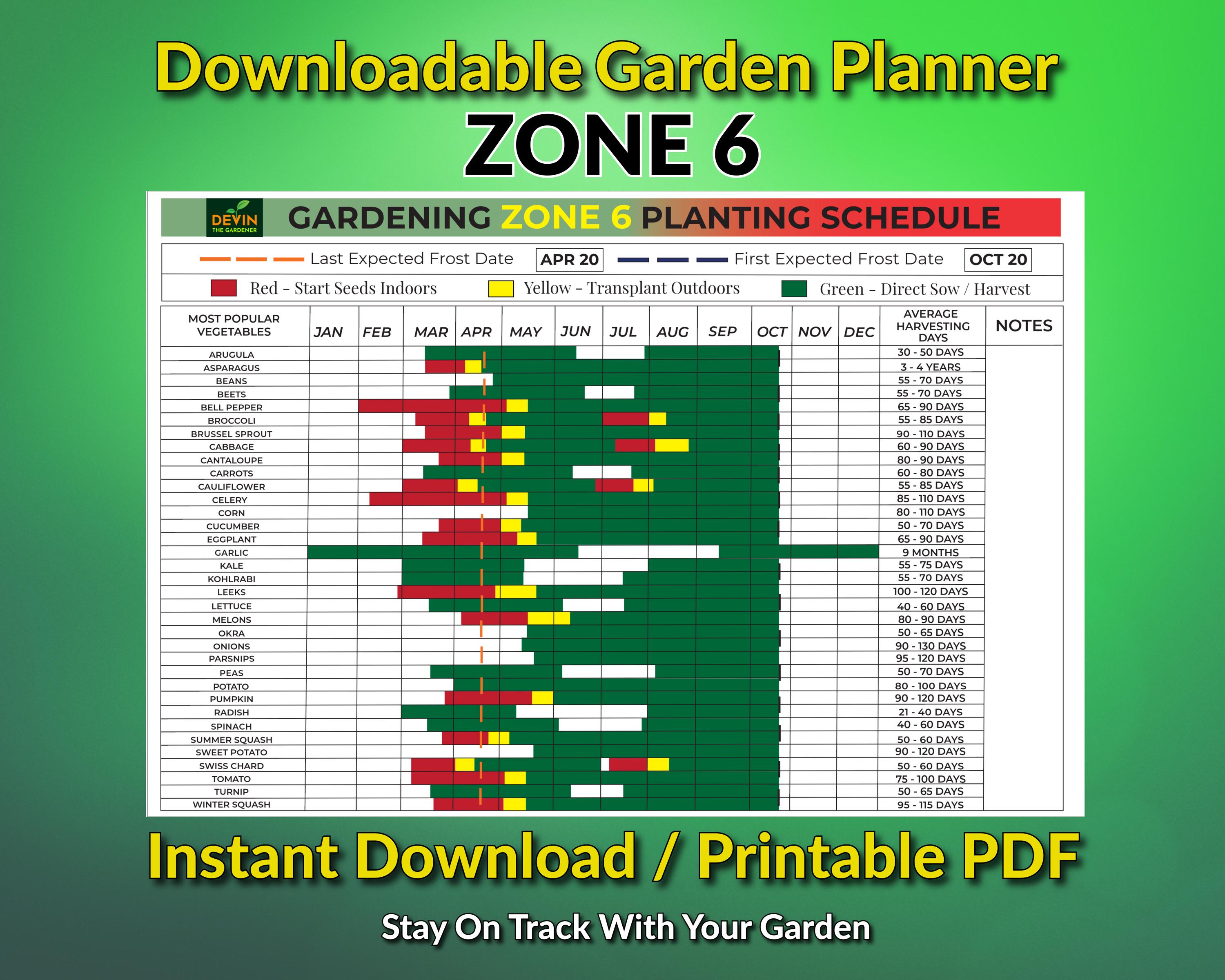
Start by marking your last frost date, usually around mid-April for Zone 6. Early bloomers like pansies and snapdragons can brave the chill if planted indoors in late February to March. Then there’s the sweet spot of mid-May when hardy annuals and perennials can finally hit the soil outdoors.
Indoor Seed Starting: The Early Bird Gets the Bloom
Seedlings don’t wait for the thaw. Starting indoors gives you a head start, especially for flowers like zinnias, cosmos, and marigolds. Pots on a sunny windowsill or under grow lights can kick off the growing season well before the soil outside warms.
From my own patch, starting zinnias indoors around mid-March led to a dazzling July show, beating my neighbors who sowed directly outdoors. Be sure to explore pay schedule calendar as well.
Direct Sowing: When Nature Calls
Some flowers prefer to rough it outdoors. Sunflowers and wildflowers thrive when sown directly after the last frost. The soil’s warmth helps seeds germinate faster, and you avoid the shock of transplanting.
Dropping seeds in late May or early June aligns perfectly with Zone 6’s warming weather.

Choosing the Right Flowers for Zone 6’s Quirky Climate
Not all flowers thrive in Zone 6’s patchy weather. Picking the wrong varieties is like bringing a snowman to a summer picnic—doomed from the start.
Familiarize yourself with flowers that laugh in the face of spring frosts but still soak up summer sun for weeks on end.
Cold-Hardy Champions
- Pansies: These colorful tough cookies can survive early chills and keep your garden cheerful.
- Snapdragons: They tolerate cool temps and bloom profusely in spring and fall.
- Sweet Peas: Fragrant and frost-resistant, perfect for early planting.
Heat-Loving Beauties
- Zinnias: Bright, bold, and ready to party in the summer heat.
- Marigolds: Pest-resistant and sun worshippers, they keep blooming long into fall.
- Cosmos: Graceful and drought-tolerant, perfect for mid to late summer sowing.

Seasonal Flowering Calendar: What Blooms When in Zone 6
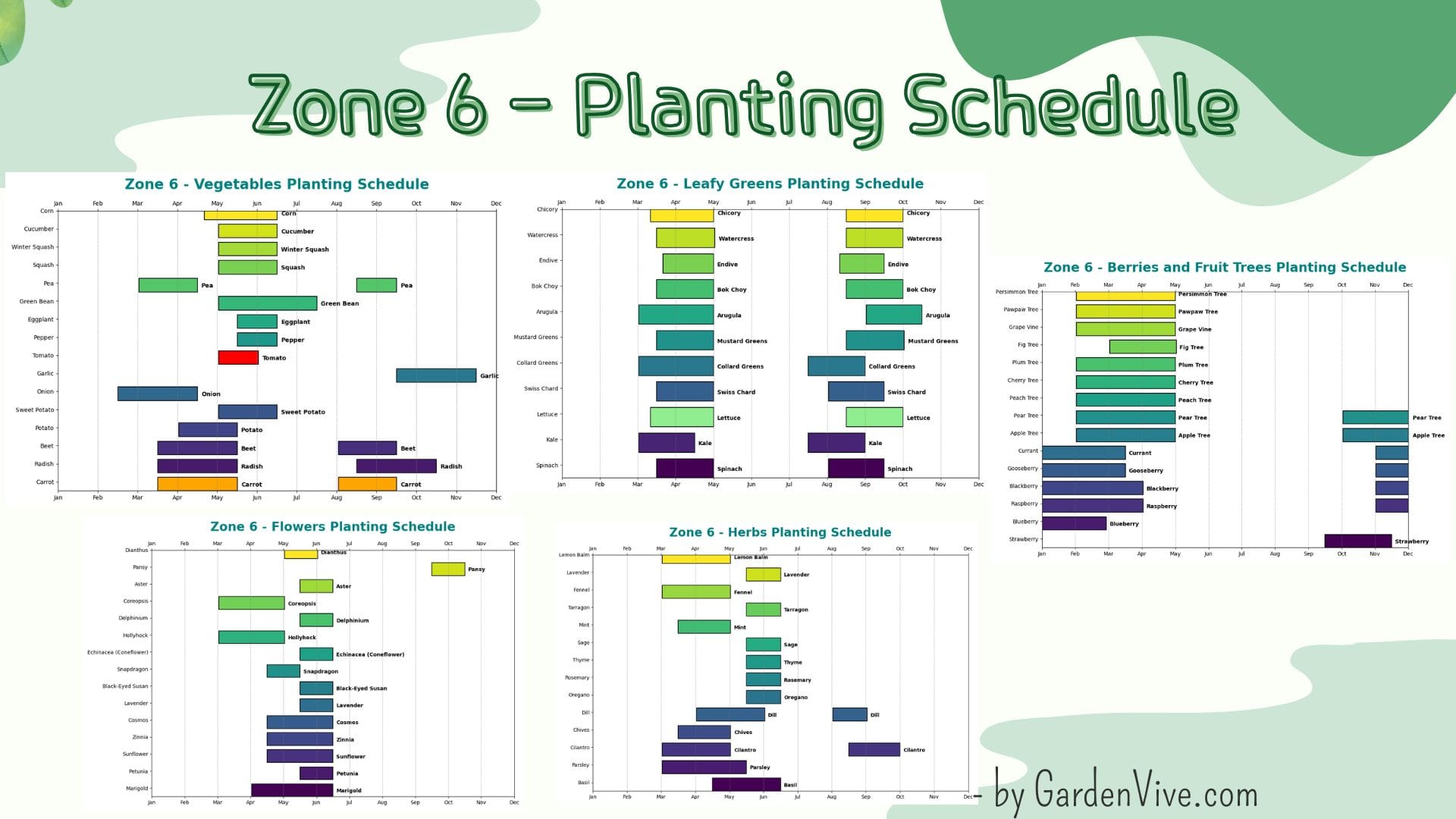
Imagine a garden that’s never dull. By staggering your planting schedule, you can enjoy a parade of flowers from early spring through late fall.
This calendar is a blueprint for keeping your flowerbeds in constant motion—no downtime, just nonstop color. immunization schedule provides further details on this.
| Season | Flower Types | Planting Time |
|---|---|---|
| Early Spring | Pansies, Snapdragons, Sweet Peas | Start indoors Feb-Mar; transplant Apr |
| Late Spring | Marigolds, Zinnias, Cosmos | Start indoors Mar-Apr; transplant May |
| Summer | Sunflowers, Wildflowers | Direct sow May-Jun |
| Fall | Chrysanthemums, Asters | Plant Sept for fall bloom |
Practical Tips from My Garden: Avoiding Common Zone 6 Pitfalls
One year, I planted my cosmos too early and was greeted by a frost-scarred disaster. Lesson learned: no matter how eager, soil temps matter more than calendar dates.
Watering schedules also caught me off guard. Flowers need more than just sun—they crave consistent moisture without drowning the roots.
My trick? Mulch aggressively to retain moisture and suppress weeds. It’s like giving your flowers a cozy blanket against unpredictable weather swings.

Soil Preparation Secrets
Zone 6 soils can be stubbornly compacted. I swear by mixing in organic compost every spring to loosen the dirt and feed the roots. It pays off in healthier, more vibrant blooms.
Frost Protection Hacks
Keep frost blankets handy. Last year, a surprise cold snap hit in mid-May, but my young seedlings were snug under covers. Without that, I’d have lost half my plants.

Frequently Asked Questions
When is the last frost date for Zone 6 in 2027?
Typically, the last frost in Zone 6 falls around mid-April, but local microclimates can vary. It’s best to check a reliable local weather source for the exact date.
Can I plant flowers directly outdoors in early March?
Only cold-hardy flowers like pansies and snapdragons can handle early March sowing indoors or protected outdoors. Most others will suffer from frost damage if planted too soon outside.
How do I know which flowers are perennial in Zone 6?
Look for varieties labeled hardy to Zone 6 or lower. Perennials like asters and chrysanthemums typically survive winters and bloom year after year.

Kyle Wells is a seasoned scheduling expert with over a decade of experience in optimizing time management and productivity. Passionate about helping individuals and organizations maximize their potential through effective scheduling strategies, Kyle is committed to delivering insightful content on Schedule Central.