Navigating Schedule B 2027 Form 941 Like a Pro
Why Schedule B 2027 Form 941 Can’t Be Ignored in Payroll Reporting
Ever felt like payroll tax forms are a maze with no exit? Schedule B 2027 Form 941 is that one puzzle piece that either makes or breaks your employer tax game. Ignoring it? A recipe for IRS headaches.
What you’ll learn: The nuts and bolts of Schedule B 2027 Form 941, why it matters in 2027, and how to get it right without losing your mind. For more context, irs schedule is worth reviewing.
📌 Quick Summary: Schedule B 2027 Form 941 is a critical attachment for employers who deposit taxes semiweekly. It details daily tax liabilities, ensuring accurate tracking of payroll taxes. Missing or misfiling it can trigger audits or penalties.
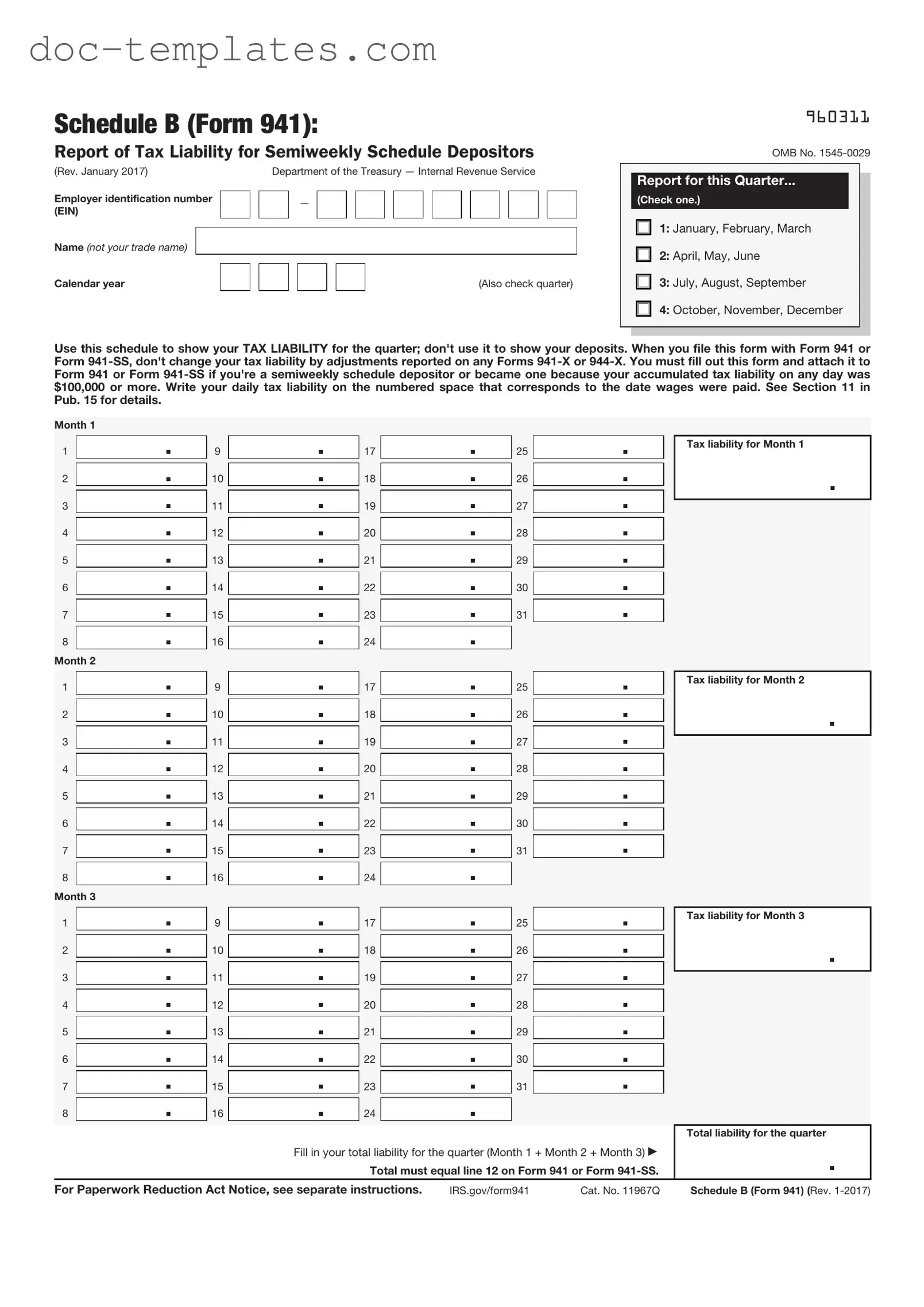
Breaking Down Schedule B 2027 Form 941: Who Files and How
Who Exactly Needs Schedule B?
If you’re a small business owner with a tiny payroll, you might breathe easy—Schedule B isn’t for you. But if your payroll tax deposits hit the semiweekly schedule, this form is your daily logbook.
That means you’re tracking tax liabilities day by day, not just lump sums quarterly. The IRS demands precision here, no guesswork allowed.
Filing Frequency and Deadlines
Schedule B is filed alongside Form 941 quarterly, but only for certain employers. Missing the deadline? Expect penalties that grow faster than your coffee bill on payroll week.
For 2027, keep in mind that deposits and filings get stricter, so syncing your payroll system with the calendar is non-negotiable. Be sure to explore earned income credit refund as well.
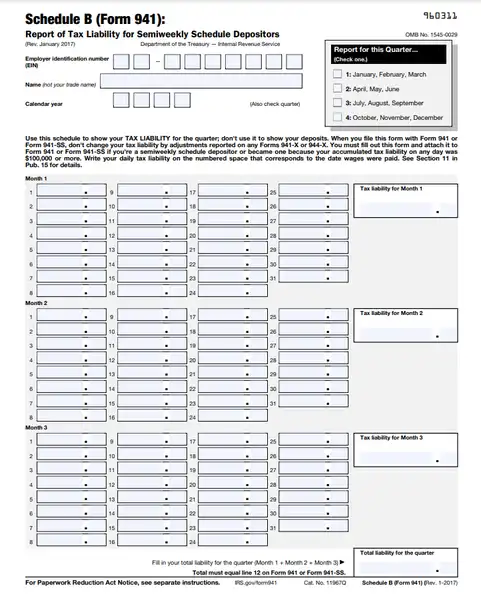
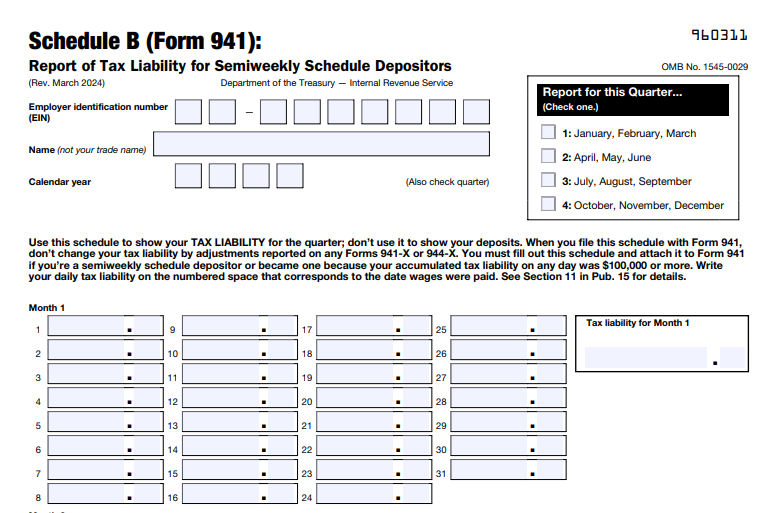
Step-by-Step: Filling Out Schedule B 2027 Form 941 Without a Hitch
Step 1: Gather Your Payroll Tax Data
Start by pulling your daily payroll tax liabilities. Think of it like balancing your checkbook—only the IRS is watching. Accurate daily records are your best friend here.
Step 2: Enter Daily Tax Liabilities
Each day of the quarter gets its own line. If you had no payroll on a certain day, mark zero. No fudging numbers—IRS audits are brutal.
Step 3: Sum and Verify
Add up those daily amounts for each month. Double-check math, or better yet, use payroll software that spits out the data clean and error-free.
Step 4: Attach and Submit
Schedule B doesn’t fly solo. It travels with your Form 941 quarterly submission. Filing electronically? Make sure Schedule B is included as required.
🚀 Pro tip: If you’ve ever caught yourself staring blankly at tax forms, consider syncing your payroll software to handle Schedule B data automatically. You can also check out illinois adoption for related insights. Saved me hours—and a few gray hairs.
Common Pitfalls and How to Dodge Them
Missing the Form Altogether
Many employers neglect Schedule B, thinking Form 941 covers it all. Wrong. If the IRS flags missing Schedule B when required, brace for penalties.
Incorrect Daily Totals
Misreporting daily taxes? That’s like leaving crumbs leading to a tax audit. Keep daily payroll records crisp and cross-verify with bank deposits.
Late Filing and Deposits
Deadlines are merciless. Filing Schedule B late or making deposits past due dates invites fines. Mark your calendar aggressively—better early than sorry.

⭐ Expert Insight: Employers who rely on manual calculations risk costly errors on Schedule B. Automating payroll tax tracking not only saves time but drastically reduces audit risk.

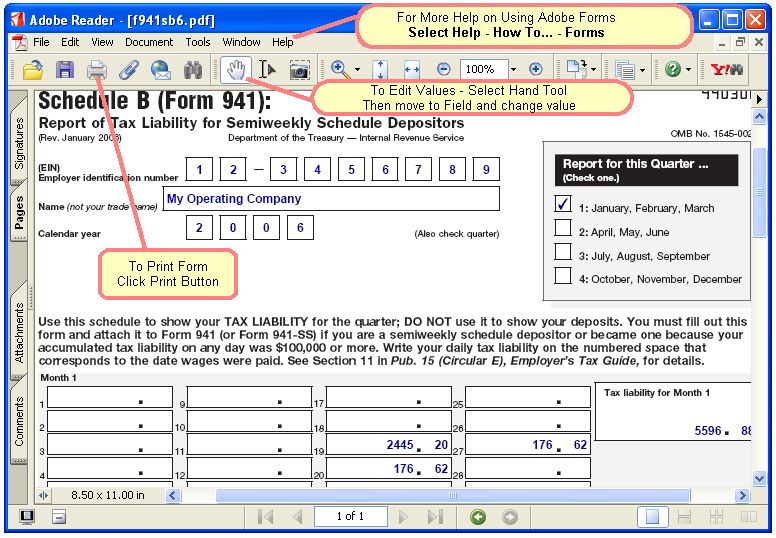
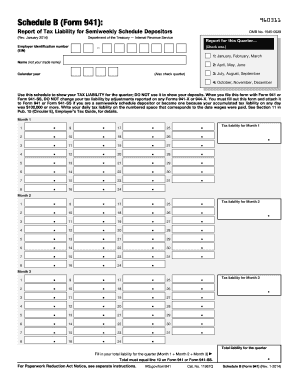
Fillable 941 Schedule B Form – Fill Out and Sign Printable PDF Template …
Source: forms-library.signnow.com

Frequently Asked Questions
Who exactly must file Schedule B 2027 with Form 941?
Employers on the semiweekly deposit schedule are required to file Schedule B along with Form 941. This typically includes businesses with accumulated tax liabilities exceeding $50,000 during a lookback period.
Can I file Form 941 without Schedule B?
Yes, but only if you’re not on the semiweekly deposit schedule. Otherwise, omitting Schedule B could trigger IRS penalties or audit scrutiny.
What happens if I file Schedule B late?
Late filing may result in penalties and interest on unpaid taxes. The IRS treats timely filing of Schedule B as critical for accurate tax deposit tracking.
Is Schedule B required for electronic filing?
Yes, if you’re a semiweekly depositor, Schedule B must be included electronically with Form 941 filings in 2027.
How can payroll software assist with Schedule B?
Modern payroll systems can automatically calculate daily tax liabilities and generate Schedule B data, minimizing human error and saving time.
In my decade handling payroll for a midsize firm, Schedule B was always the silent stressor. Be sure to explore additional insights here as well. Once we automated the process, it felt like a fog lifted. No more frantic number crunching on tax day.
Remember, Schedule B 2027 Form 941 is not just IRS paperwork—it’s your daily accountability ledger for payroll taxes. Nail it, and you dodge penalties and audits. Slip up, and you pay the price. Keep the form close, the data accurate, and your deadlines sacred.
Ready to tame Schedule B? Treat it like your daily workout for payroll taxes—consistent, precise, and pain-free with the right tools.

Kyle Wells is a seasoned scheduling expert with over a decade of experience in optimizing time management and productivity. Passionate about helping individuals and organizations maximize their potential through effective scheduling strategies, Kyle is committed to delivering insightful content on Schedule Central.