Understanding the OPM Disability Retirement Pay Schedule 2027
Cracking the Code of the OPM Disability Retirement Pay Schedule 2027
Ever wondered how the Office of Personnel Management (OPM) calculates disability retirement pay for federal workers? It’s not as straightforward as a paycheck—it factors in years of service, salary, and disability status.
What you’ll learn: The ins and outs of the OPM Disability Retirement Pay Schedule 2027, how it impacts federal employees, and practical tips to maximize benefits. You can also check out dc schedule for related insights.
📌 Quick Summary: The OPM Disability Retirement Pay Schedule 2027 sets forth updated pay calculations for federal employees retiring due to disability. It balances service years, salary history, and disability severity to determine monthly benefits. Staying informed on these updates is crucial for effective retirement planning.
How the OPM Disability Retirement Pay Schedule 2027 Works
OPM’s disability retirement pay isn’t just a flat rate. It’s a formula that weighs your average salary against your length of service and your disability rating. The more you’ve worked and the higher your salary, the better your retirement pay.
Here’s the kicker: your disability must be job-related and severe enough to prevent you from continuing your federal duties. Otherwise, you’re out of luck.
Calculating Pay: The Formula Breakdown
The core calculation takes your high-3 average salary—your highest average basic pay over any three consecutive years—and multiplies it by 60% if you have 20 years or more of service.
If you have less than 20 years, the formula adapts. You can also check out schedule 23 for related insights. It adds 1.5% per year of service to 1% times the number of years beyond 20, capping at 60%. This ensures fairness for shorter careers.
Adjustments in 2027
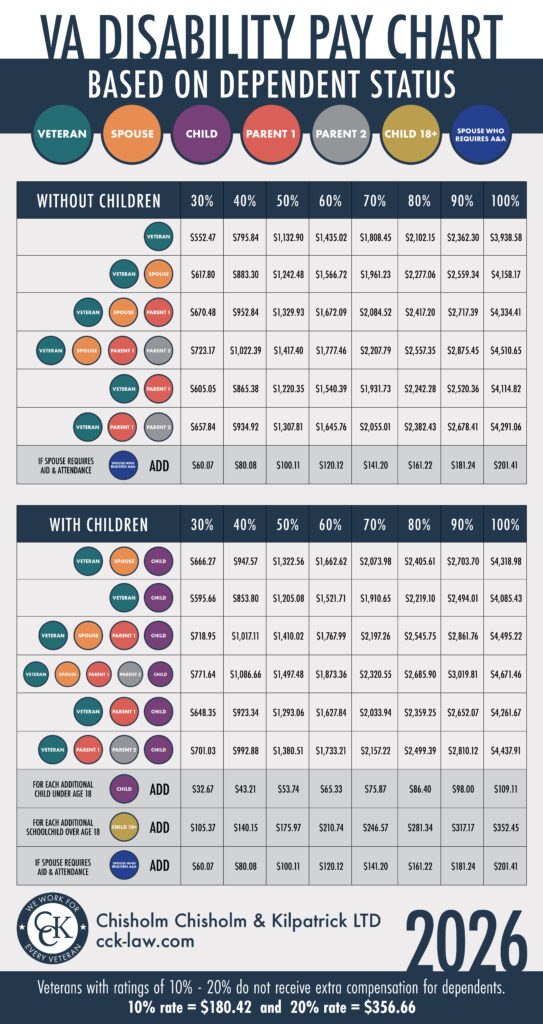
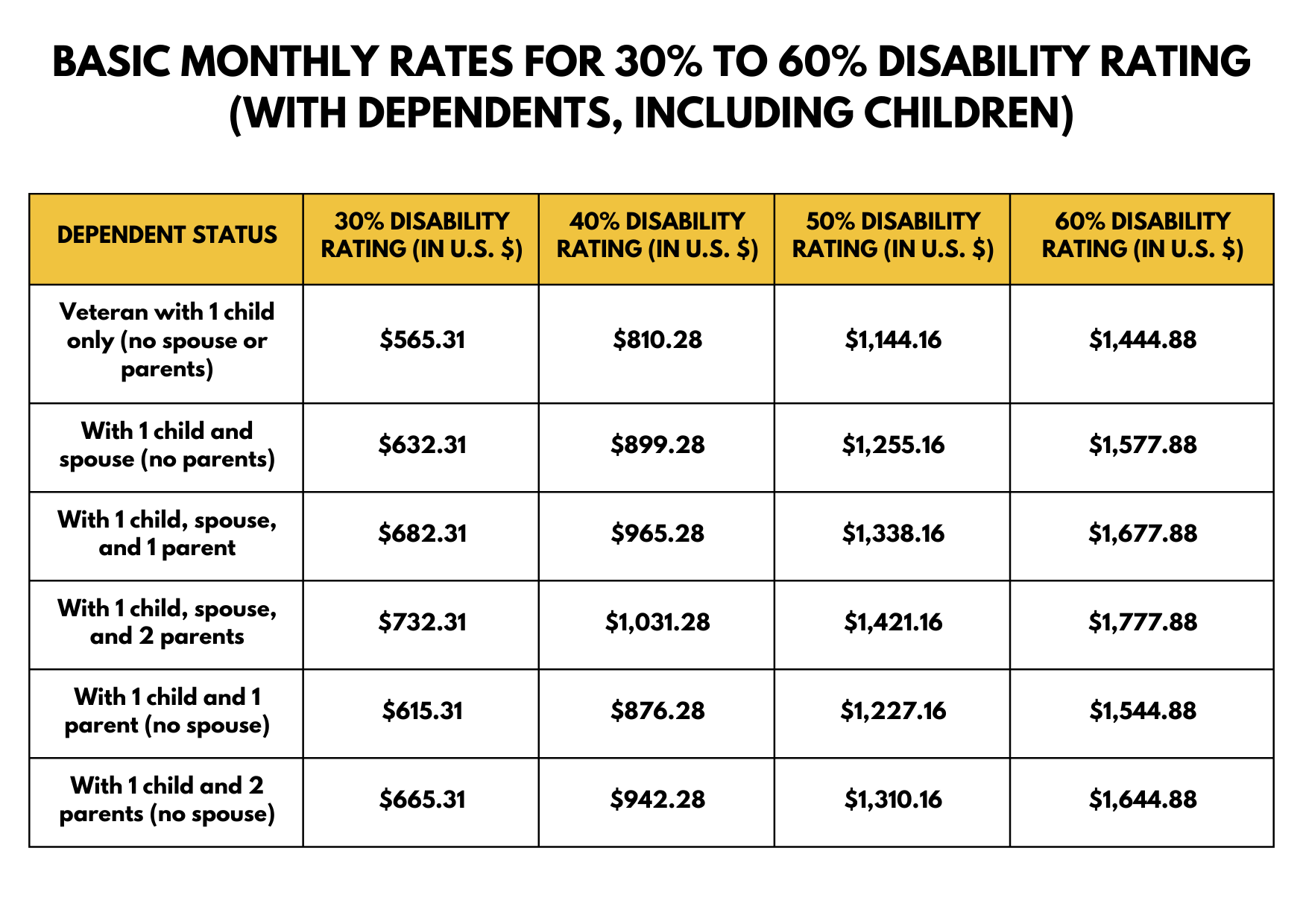
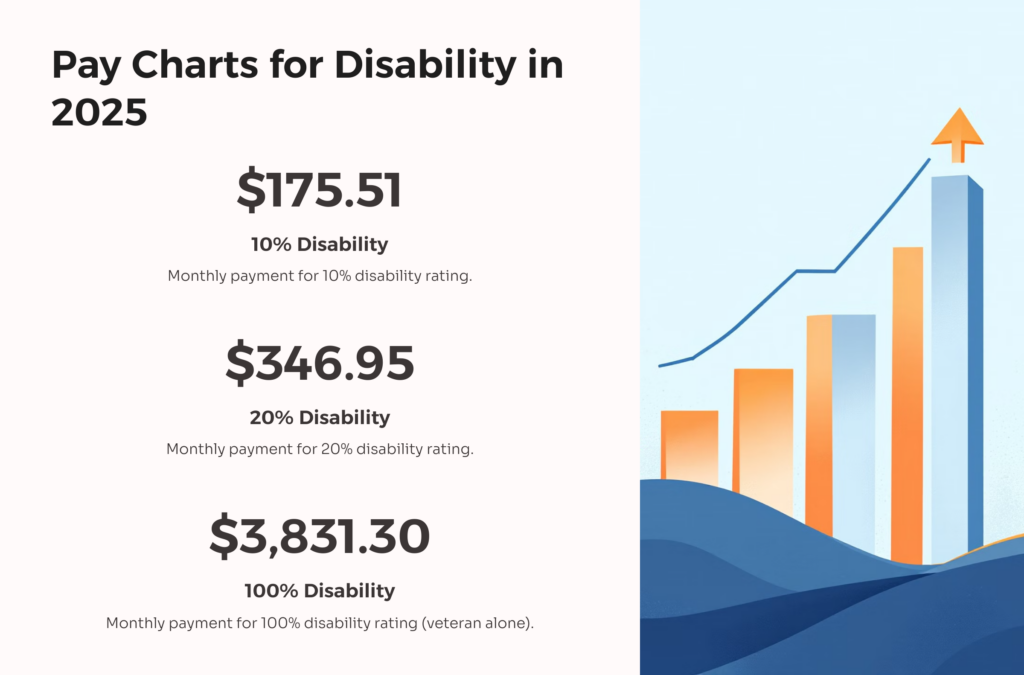
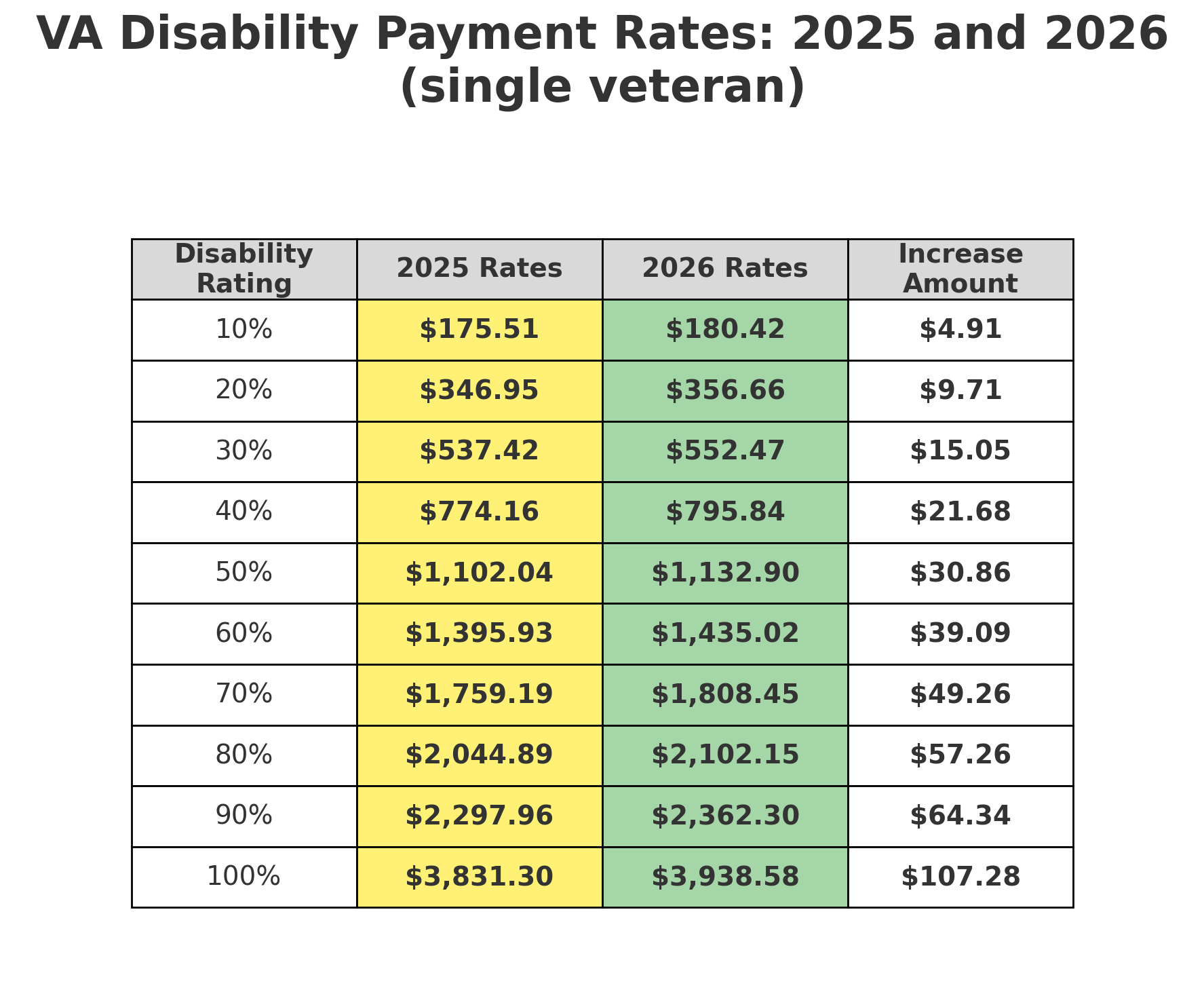
In 2027, expect slight cost-of-living adjustments that tweak the pay schedule. This ensures your benefits keep pace with inflation, a critical feature given today’s rising prices.
OPM also refines disability definitions and documentation standards to streamline eligibility reviews, meaning fewer delays and more predictable outcomes.
Who Qualifies for Disability Retirement Under OPM in 2027?
Not everyone with a health issue qualifies. The OPM requires proof that your condition is “service-connected” and that it seriously impairs your ability to perform your federal job.
Federal employees with less than 18 months of service generally don’t qualify. Also, applicants must have exhausted all possible accommodations before applying for disability retirement.
Types of Disabilities Covered
Physical injuries are obvious candidates, but chronic illnesses and mental health conditions can also qualify if they meet the severity and documentation criteria.
For example, a federal law enforcement officer injured on duty with lasting mobility issues would likely qualify, while someone with a temporary illness would not. Be sure to explore irs semiweekly deposit as well.
Documentation: What OPM Looks For
Medical records, supervisor statements, and vocational assessments form the backbone of your application. Without thorough paperwork, expect delays or outright denials.
From my experience helping colleagues navigate this process, detailed and organized documentation is the single best factor in speeding approvals.
Practical Tips to Maximize Your OPM Disability Retirement Benefits
Don’t wait until you’re desperate. Start compiling your medical records and service history early. The clearer your case, the smoother your path.
Consulting a federal benefits advisor or an attorney familiar with OPM rules can save you months of headaches.
Step-by-Step Guide to Applying
- Gather your high-3 salary records and service documentation.
- Collect comprehensive medical evidence supporting your disability claim.
- Submit your application through your agency’s human resources office.
- Follow up persistently with OPM during the review process.
- Prepare to appeal if your claim is denied—don’t give up.
What to Expect After Approval
You’ll receive monthly payments as dictated by the 2027 pay schedule, adjusted annually for inflation. Social Security Disability Insurance may also supplement your income if eligible.
Remember, if your condition improves, OPM can reassess your eligibility and adjust or terminate benefits accordingly. You can also check out this detailed resource for related insights.

Common Pitfalls and How to Avoid Them
Many federal employees falter by underestimating the importance of detailed documentation or by delaying their application. Time is not your friend here.
Another trap is misunderstanding the pay formula, which can lead to unrealistic expectations about your monthly income.
Misconceptions About Disability Retirement
Some believe that any disability automatically qualifies them for maximum benefits. This couldn’t be further from the truth. OPM’s criteria are strict and unforgiving.
Others assume that once approved, benefits are forever. In reality, periodic medical reviews are standard.
Frequently Asked Questions
What is the difference between disability retirement and regular retirement under OPM?
Disability retirement is specifically for those unable to perform their federal job due to medical issues. Regular retirement is based on age and years of service without disability considerations.
Can I work part-time and still receive disability retirement pay?
Generally, earning income through federal work after disability retirement is limited and can affect your benefits. Non-federal work is subject to separate rules.
How often does OPM update the disability retirement pay schedule?
Updates typically occur yearly to adjust for inflation and cost-of-living changes. The 2027 schedule is the latest, reflecting these regular tweaks.
What if my disability improves and I want to return to work?
You can request a reconsideration of your disability retirement status. OPM will evaluate your ability to resume federal duties and may reinstate you if fit.
Understanding the OPM Disability Retirement Pay Schedule 2027 is not just bureaucratic jargon—it’s the key to securing your financial future when health derails your federal career. Start early, prepare thoroughly, and keep your expectations grounded in the facts.

Kyle Wells is a seasoned scheduling expert with over a decade of experience in optimizing time management and productivity. Passionate about helping individuals and organizations maximize their potential through effective scheduling strategies, Kyle is committed to delivering insightful content on Schedule Central.