Your Ultimate Guide to the Childhood Immunization Schedule 2027
Why the Childhood Immunization Schedule 2027 Demands Your Attention Now
Ever wondered why your pediatrician keeps stressing those tiny needles? Immunizations aren’t just routine pokes; they’re your child’s shield against serious illnesses. The 2027 schedule sharpens that shield with precise timing and new vaccine updates.
Here’s what you’ll learn: the key vaccines, timing tweaks, and expert advice on staying ahead in 2027’s immunization game. check schedule provides further details on this.
📌 Quick Summary: The Childhood Immunization Schedule 2027 updates vaccine timing and introduces new doses for enhanced protection. Staying informed ensures your child is safeguarded against emerging health threats with minimal fuss.

Breaking Down the Core Vaccines in 2027’s Schedule
Essential Shots and When They Arrive
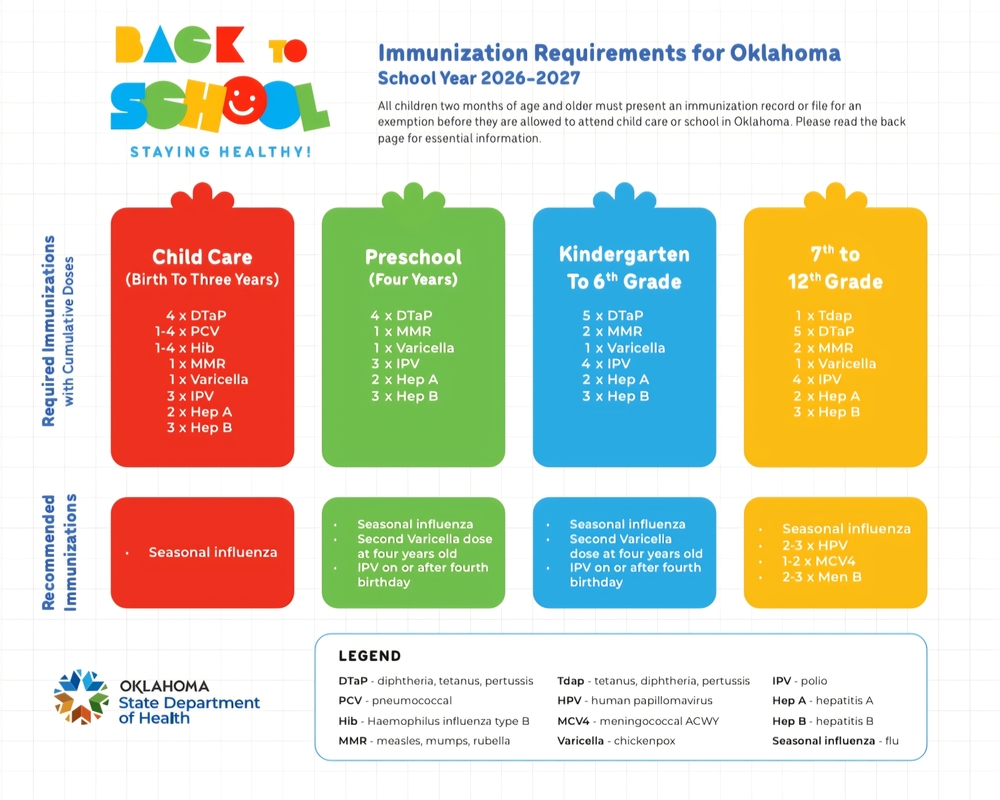
The backbone of 2027’s schedule remains familiar but refined. Vaccines like DTaP (diphtheria, tetanus, and pertussis), MMR (measles, mumps, rubella), and IPV (polio) still headline early childhood.
However, this year introduces adjustments—such as an added meningococcal dose for toddlers at 15 months—to fend off rising disease risks in specific regions.
Newcomers on the Scene
Expect the revamped RSV (respiratory syncytial virus) vaccine making its debut for infants, targeting a previously unmet need for protection during critical respiratory seasons.
Plus, HPV vaccination now begins earlier, recommended starting at age 9 instead of 11, to maximize immune response before potential exposure. Additionally, this helpful guide covers similar aspects.

🚀 Don’t overlook the influenza vaccine’s updated formulation this year—tailored to combat the latest flu strains, it remains a yearly must-have.
Scheduling Shots: Timing Is Everything
Age Milestones and Vaccine Windows
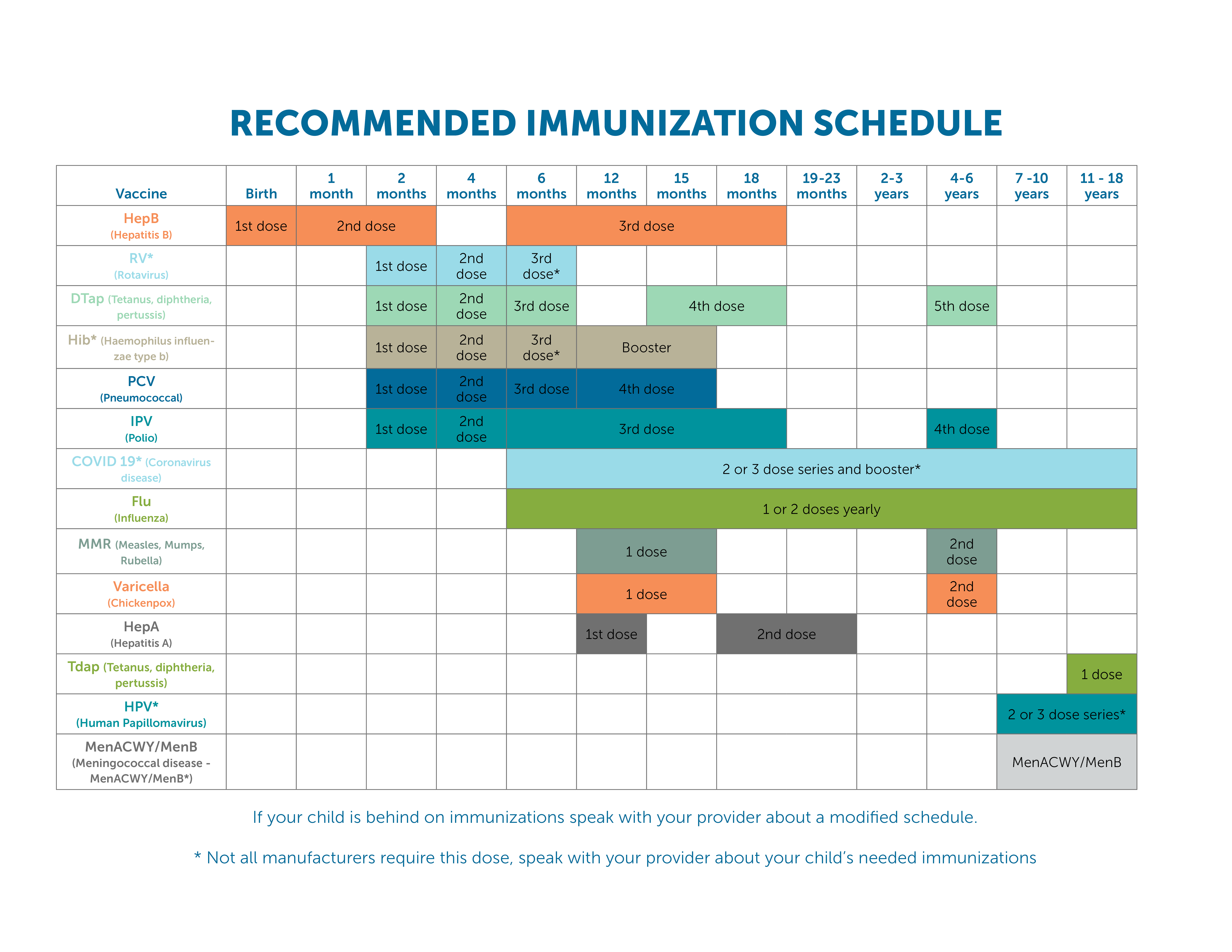
2027’s schedule maps out vaccine timing with sharper precision. For instance, the 4-6 year window tightens for the final DTaP booster to ensure immunity peaks before school entry.
Meanwhile, a flexible catch-up timeline now accommodates children who missed earlier doses without compromising safety or effectiveness.
Practical Advice for Busy Parents
From my years covering pediatric health, I’ve seen how chaotic schedules can derail vaccine timing. My advice? Use a digital calendar reminder synced to your pediatrician’s recommended dates. It’s a lifesaver and prevents unnecessary stress over rescheduling.
Also, ask for an immunization record card during visits—keeping a physical backup is a smart move when dealing with school and sports registration. For more context, more details is worth reviewing.
Addressing Concerns: Safety, Side Effects, and Myths
What to Expect Post-Vaccination
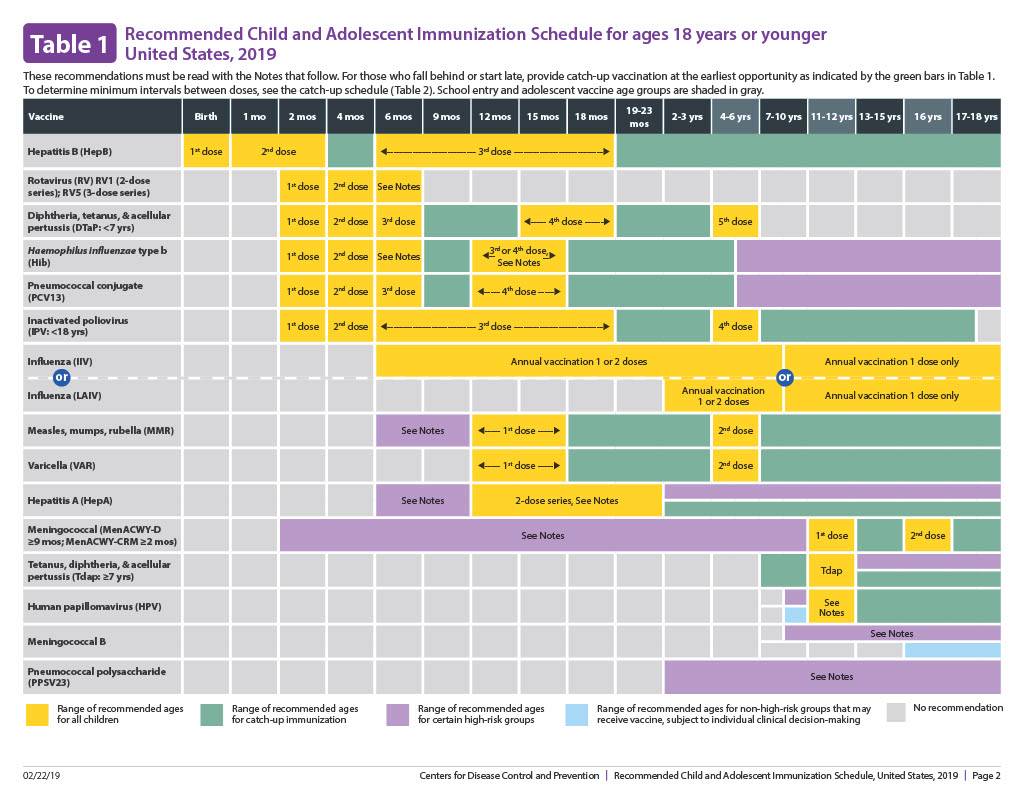
Common side effects remain mild and temporary: redness at the injection site, slight fever, or fussiness. These are signs your child’s immune system is gearing up, not something to fear.
Severe reactions are exceptionally rare, but 2027’s schedule includes updated screening protocols to identify at-risk children before vaccination.

Cutting Through the Noise: Debunking Misconceptions
One stubborn myth is that vaccines overwhelm a child’s immune system. Truth? The 2027 immunization schedule carefully spaces shots to avoid overload, backed by solid immunological science.
Parents worried about additives like thimerosal can rest easy—most vaccines on the 2027 list are thimerosal-free or contain trace amounts well below safety thresholds.
Staying Ahead: How to Keep Your Child’s Immunizations on Track
Tools and Tips to Manage the 2027 Immunization Journey
Develop a checklist aligned with the 2027 schedule, marking each vaccine milestone. This visual approach removes guesswork and highlights upcoming appointments.
Engage your pediatrician in discussions about any vaccine hesitations. You can also check out njit final exam schedule for related insights. Their expertise is invaluable. I’ve witnessed parents transform from anxious to confident simply by understanding the science behind each shot.
Community Immunity: Beyond Individual Protection
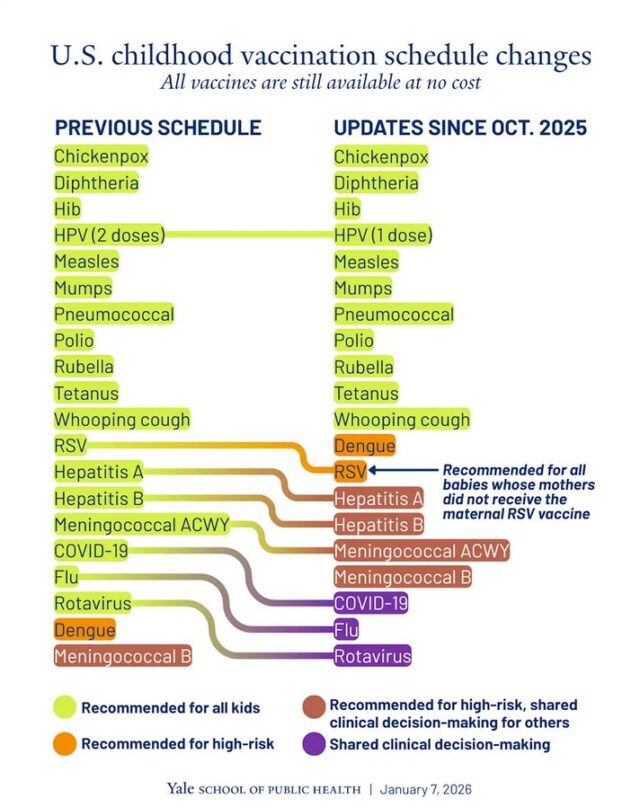
Vaccinating your child isn’t just about personal defense; it contributes to herd immunity, protecting vulnerable kids who can’t be vaccinated due to medical conditions.
This shared responsibility shines even brighter in 2027, as disease patterns shift and outbreaks remain a threat if vaccination rates dip.
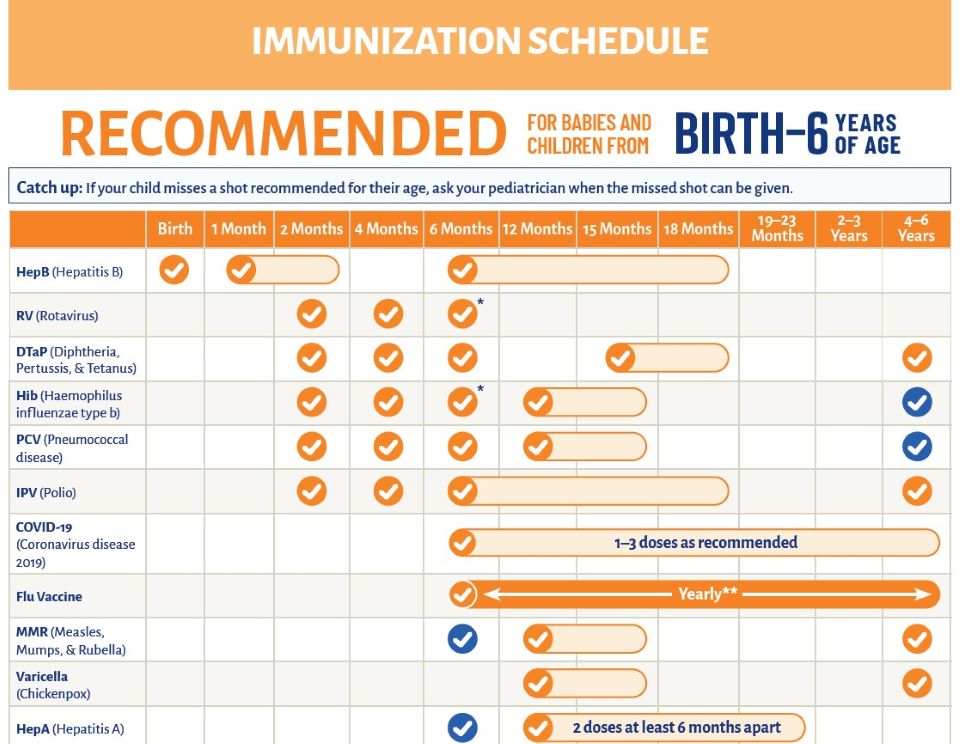
🚀 Beginner Tip: Start your child’s immunization journey early. The sooner vaccines are administered according to the 2027 schedule, the stronger and more reliable their protection against preventable diseases.
Frequently Asked Questions
What happens if my child misses a scheduled vaccine dose in 2027?
The 2027 immunization schedule includes catch-up guidelines that allow for rescheduling missed vaccines without compromising safety. Contact your healthcare provider promptly to create a tailored catch-up plan.
Are there any new vaccines added to the 2027 schedule?
Yes, the RSV vaccine for infants and an earlier start for HPV vaccination are notable additions in 2027, reflecting evolving health challenges and scientific advancements.
Can vaccines be given at the same time as other medications?
Generally, vaccines can be administered alongside most medications. However, always inform your doctor about any medications your child is taking to avoid rare interactions or contraindications.
How can I track my child’s immunization history effectively?
Maintain a physical immunization card and utilize digital reminders synced with the 2027 schedule. Many clinics also offer electronic health records accessible to parents for easy tracking.

Kyle Wells is a seasoned scheduling expert with over a decade of experience in optimizing time management and productivity. Passionate about helping individuals and organizations maximize their potential through effective scheduling strategies, Kyle is committed to delivering insightful content on Schedule Central.