Mastering the IRS Schedule for 2027: Key Dates and Insights
Why the IRS Schedule for 2027 Is More Crucial Than Ever
Ever felt like tax deadlines sneak up on you, catching you unprepared? The IRS Schedule for 2027 is packed with deadlines and nuances that can make or break your tax filing experience.
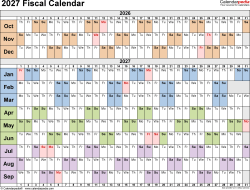
What you’ll learn: The essential IRS dates for 2027, their real-world impact, and how to stay ahead of the curve. Be sure to explore september schedule as well.
📌 Quick Summary: The IRS Schedule for 2027 outlines critical tax deadlines that demand your attention. Missing these can lead to penalties or delayed refunds. Understanding this schedule early is your best defense.
Core Deadlines and Their Impact on Your Taxes
Filing Dates You Can’t Afford to Miss
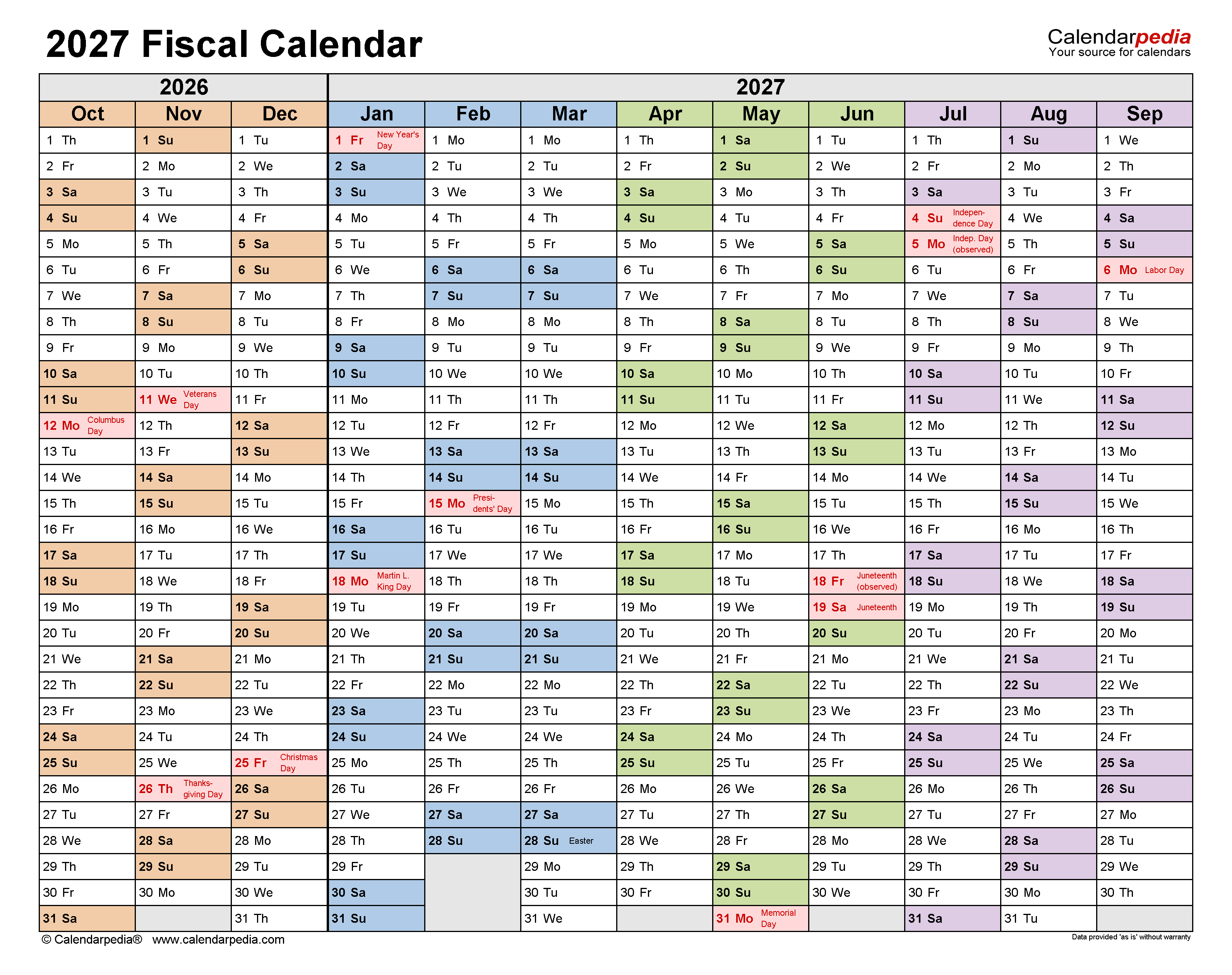
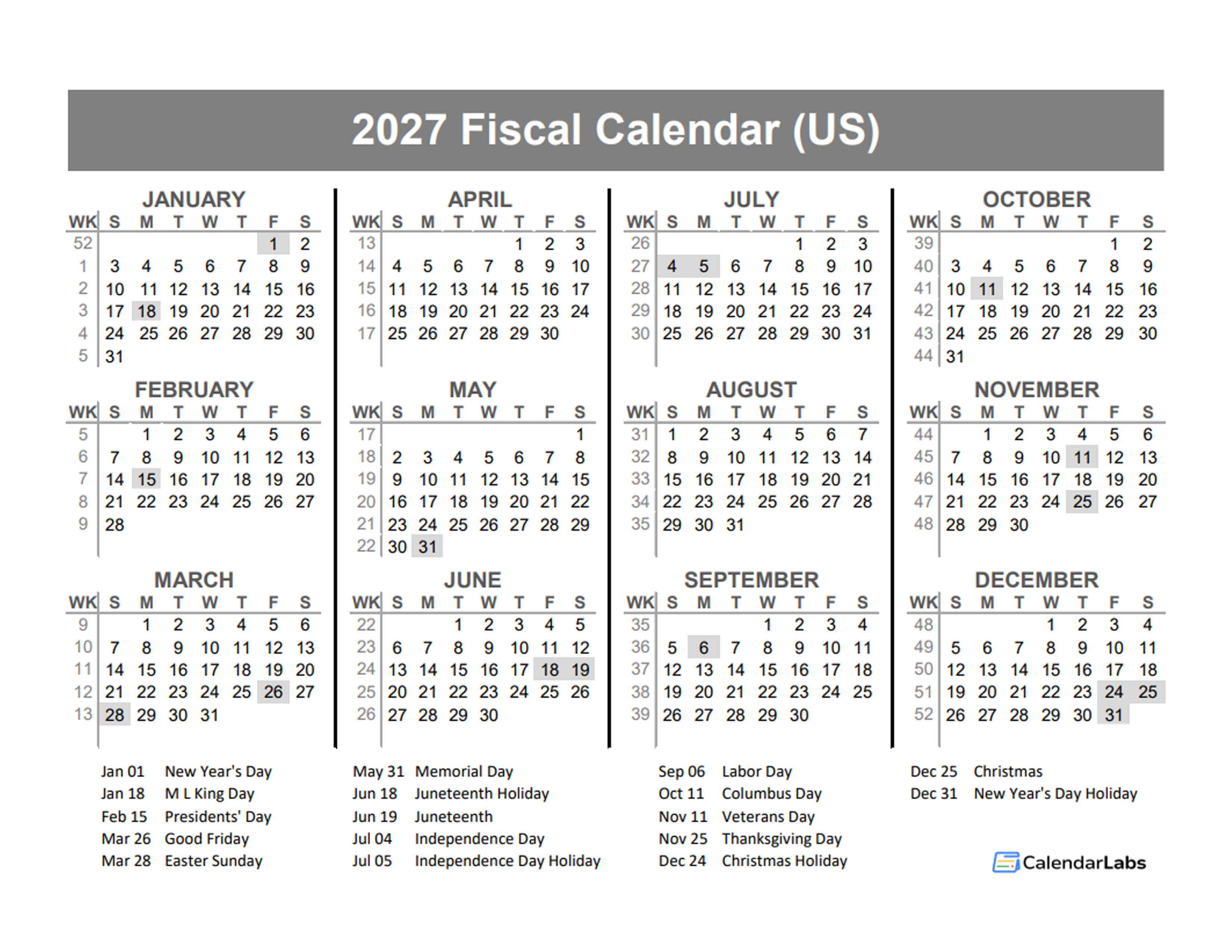
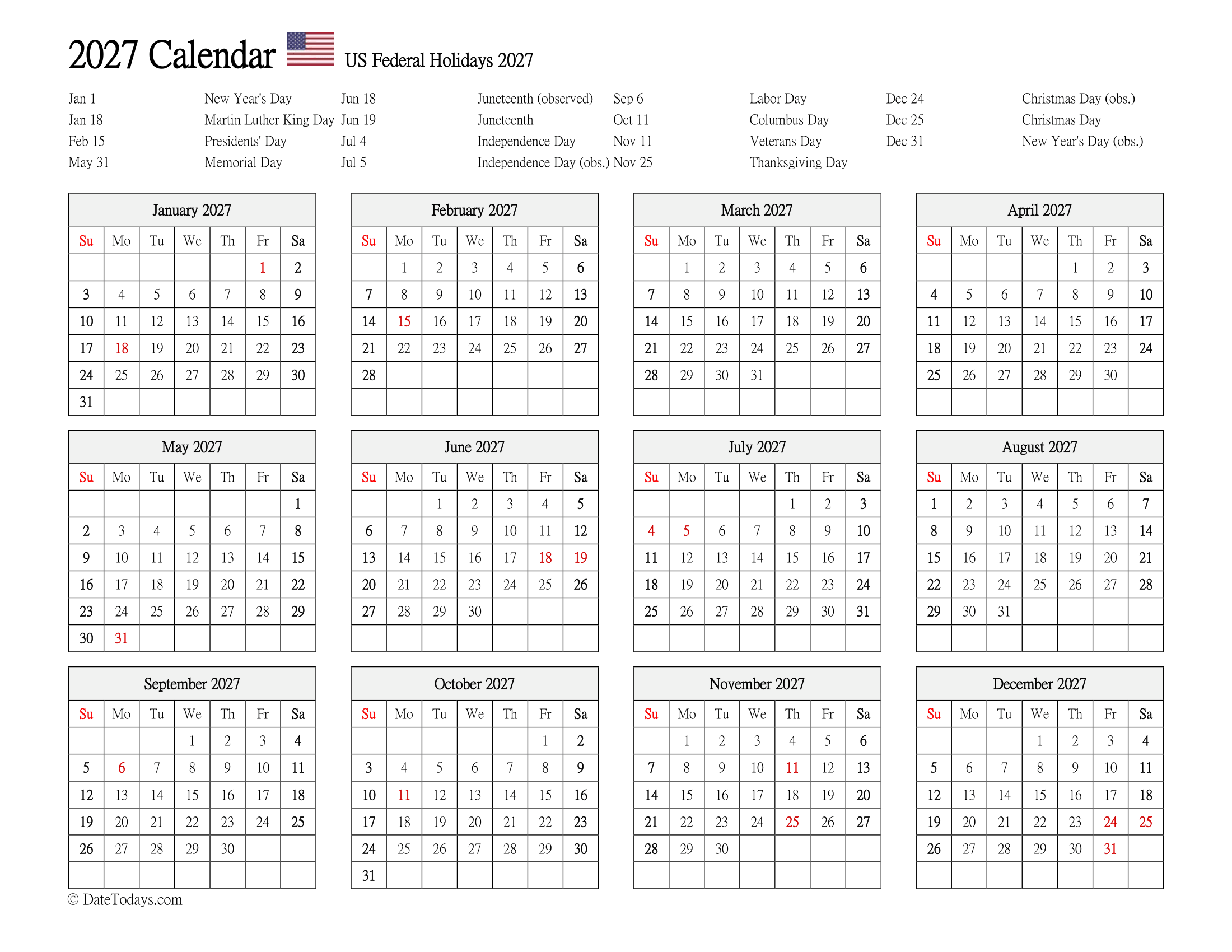
April 15, 2027, marks the traditional deadline for individual tax returns. But if April 15 falls on a weekend or holiday, the IRS shifts the date—watch for this in 2027.
For businesses, the deadlines vary: corporations generally file by March 15, 2027, while partnerships have their own timelines. For more context, this detailed resource is worth reviewing.
Extensions: When and How to Use Them
Filing an extension grants you six extra months, pushing your deadline to October 15, 2027. But beware—extensions only delay paperwork, not payment.
Paying your estimated taxes by the original deadline is non-negotiable to dodge interest and fees.
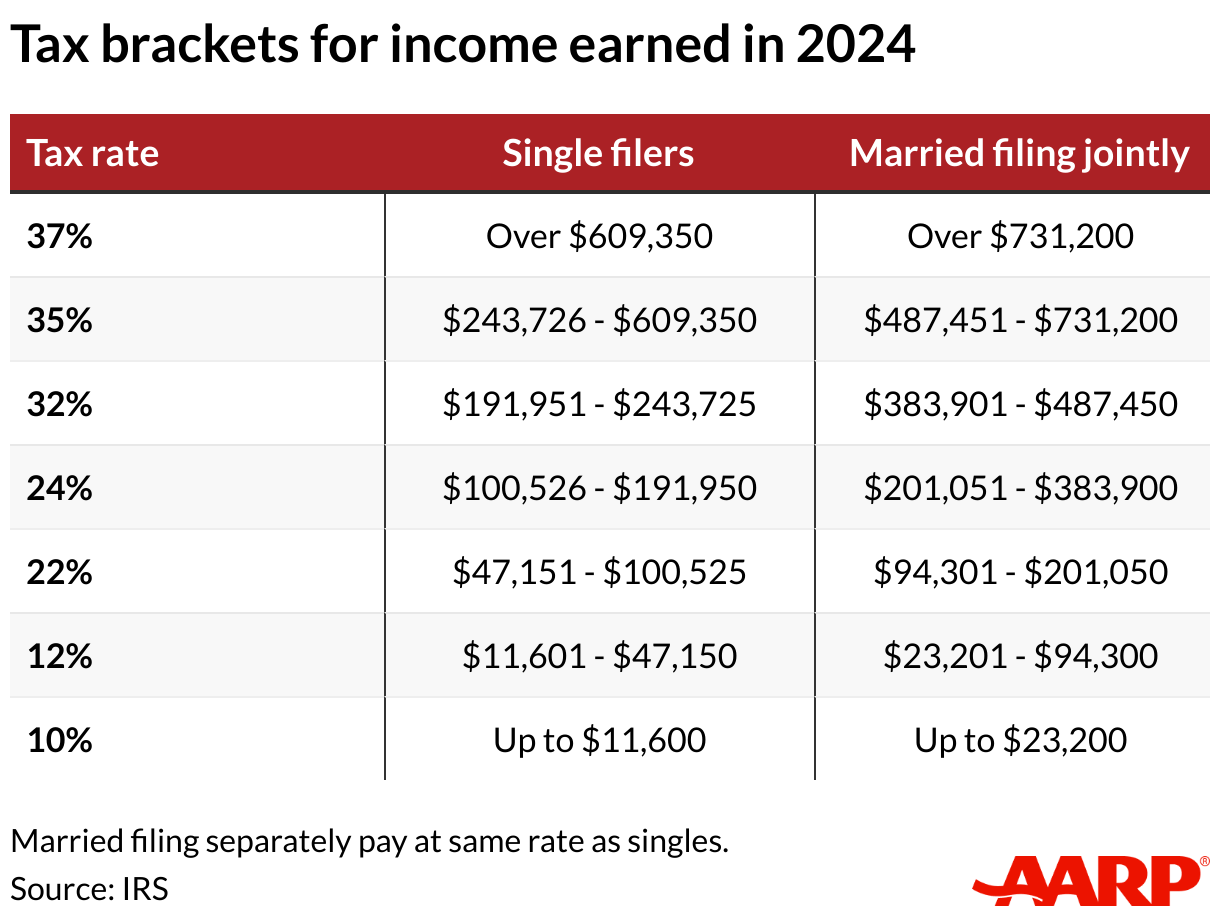
Practical Tips from a Tax Pro’s Playbook
My Personal Encounter with IRS Deadlines
One April, I ignored a subtle IRS schedule change and ended up scrambling with penalties. Lesson? Double-check the IRS calendar every year—even if you think you know it by heart.
Setting calendar reminders and prepping documents early saved me from chaos in 2026. Additionally, final exam covers similar aspects. This habit is gold for 2027.
Streamlining Your Tax Prep Workflow
Organize receipts, statements, and forms as you get them. Waiting until tax season piles up stress and errors.
Using digital tools to scan and sort documents can shave hours off your prep time.
Common Pitfalls and How to Dodge Them
Ignoring Estimated Tax Payments
Many taxpayers overlook quarterly estimated tax deadlines, which fall in April, June, September, and January. Missing these dates can trigger penalties even if you file on time.
Plan ahead. If your income fluctuates, revisit your estimates mid-year to avoid surprises.
Misunderstanding the Role of IRS Notices
Getting a notice can feel like a panic button. But often, it’s just the IRS asking for clarification or missing info, not an audit.
Respond promptly and accurately to keep things smooth.
Looking Ahead: What to Expect in the 2027 IRS Schedule
Potential Changes and Updates
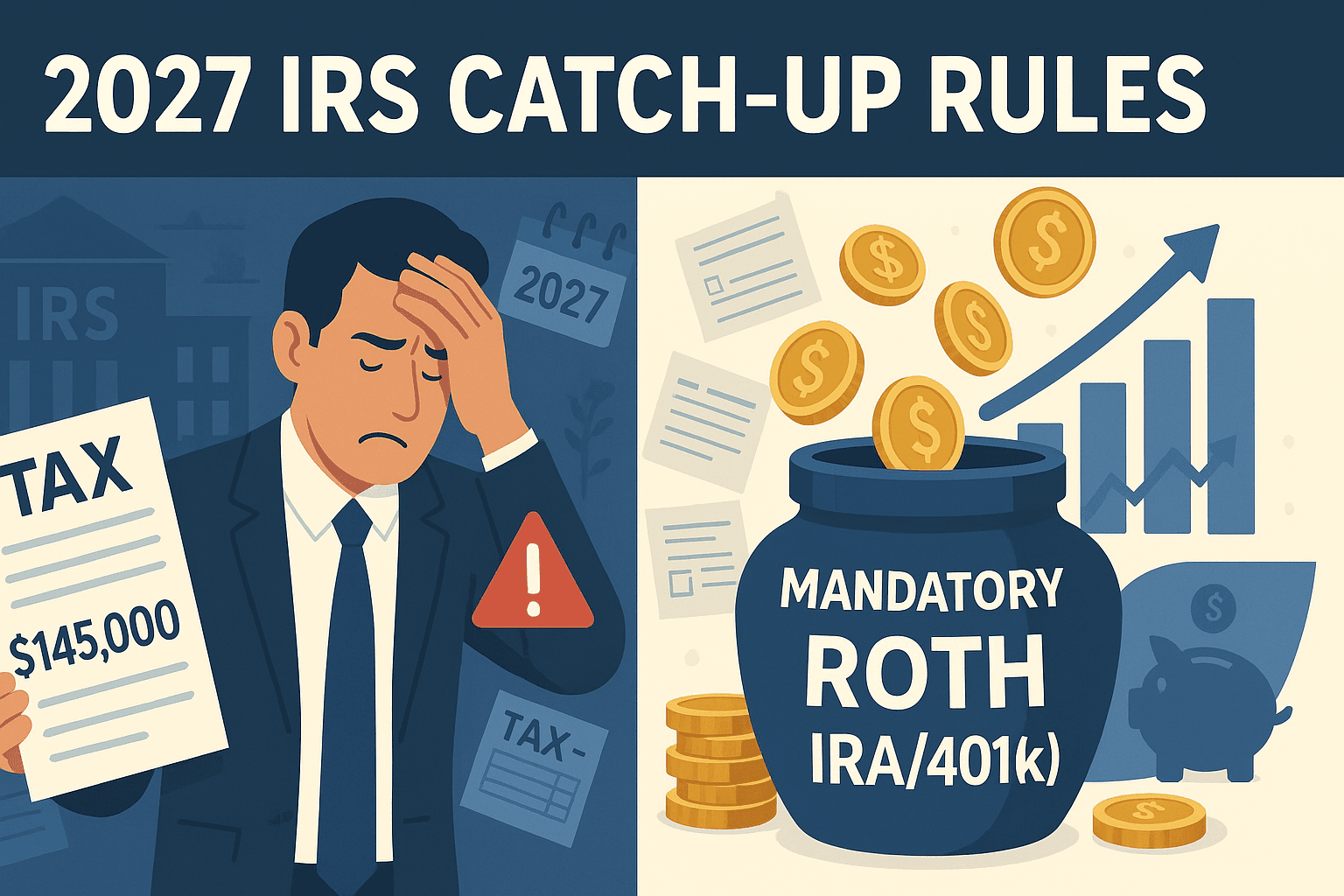
Tax laws evolve, and so do IRS deadlines. Keep an eye out for announcements early in 2027 regarding any shifts in filing or payment dates.
New tax credits, deductions, or penalties might affect your schedule—stay informed to capitalize on benefits or avoid traps. Additionally, zone 6b covers similar aspects.
Preparing for Digital-First Filing
The IRS continues pushing electronic filing and payments. Paper submissions are increasingly rare and slower to process.
Embracing IRS-approved software can speed refunds and reduce errors.


Frequently Asked Questions
What happens if I miss the IRS deadline in 2027?
Missing deadlines usually triggers late-filing and late-payment penalties, plus interest on owed taxes. Filing as soon as possible minimizes damage, but proactive planning is your safest bet.
Can I get an extension for my 2027 taxes?
Yes, you can request a six-month extension to file, pushing your deadline to October 15, 2027. Remember, this is an extension to file, not to pay taxes owed.
Are IRS deadlines the same every year?
Not always. Weekends, holidays, and legislative changes can shift deadlines. Always confirm the official IRS schedule for the year in question.
Checklist to Conquer the IRS Schedule for 2027
- Mark key IRS deadlines on your calendar now.
- Gather tax documents throughout 2026 and early 2027.
- Submit estimated tax payments quarterly without fail.
- File for extensions if needed—but pay taxes on time.
- Use electronic filing to speed processing.
Nothing beats being ahead on tax deadlines. The IRS Schedule for 2027 is your roadmap to stress-free filing—stick to it like your refund depends on it (because it does).

Kyle Wells is a seasoned scheduling expert with over a decade of experience in optimizing time management and productivity. Passionate about helping individuals and organizations maximize their potential through effective scheduling strategies, Kyle is committed to delivering insightful content on Schedule Central.