Navigating Schedule A Itemized Deductions 2027 with Confidence
Why Schedule A Itemized Deductions 2027 Could Be Your Tax MVP
Ever stared at your tax forms and thought, “Is this really worth the hassle?” With Schedule A Itemized Deductions 2027, it might just be. You could be leaving money on the table if you’re not up to speed.
What you’ll learn: How to smartly navigate Schedule A, what deductions still matter in 2027, and pitfalls to dodge when prepping your returns. You can also check out act schedule for related insights.
📌 Quick Summary: Schedule A lets you itemize deductions, potentially lowering your taxable income more than the standard deduction. Staying current with 2027 updates ensures you claim every penny you deserve without raising red flags with the IRS.
:max_bytes(150000):strip_icc()/ScreenShot2025-02-10at5.40.39PM-8ff03459fdbb404980bd9a324ef39ad7.png "All About Schedule A (Form 1040 or 1040-SR): Itemized Deductions")
Breaking Down the Big Players on Schedule A for 2027
Medical and Dental Expenses
Starting with the basics—medical expenses have to exceed 7.5% of your adjusted gross income before they count. This threshold remains unchanged for 2027.
Think about that pricey emergency dental surgery or a slew of prescription meds. Track those receipts tightly; they can inch your deductions up.
State and Local Taxes (SALT)
This one’s tricky. The SALT deduction cap sits firmly at $10,000 for 2027, just like before. If you’re in a high-tax state, you feel this cap acutely.
Pro tip: If your SALT bills exceed this, you might want to strategize with your tax pro about timing payments or donations. pay schedule provides further details on this.
Mortgage Interest Deductions
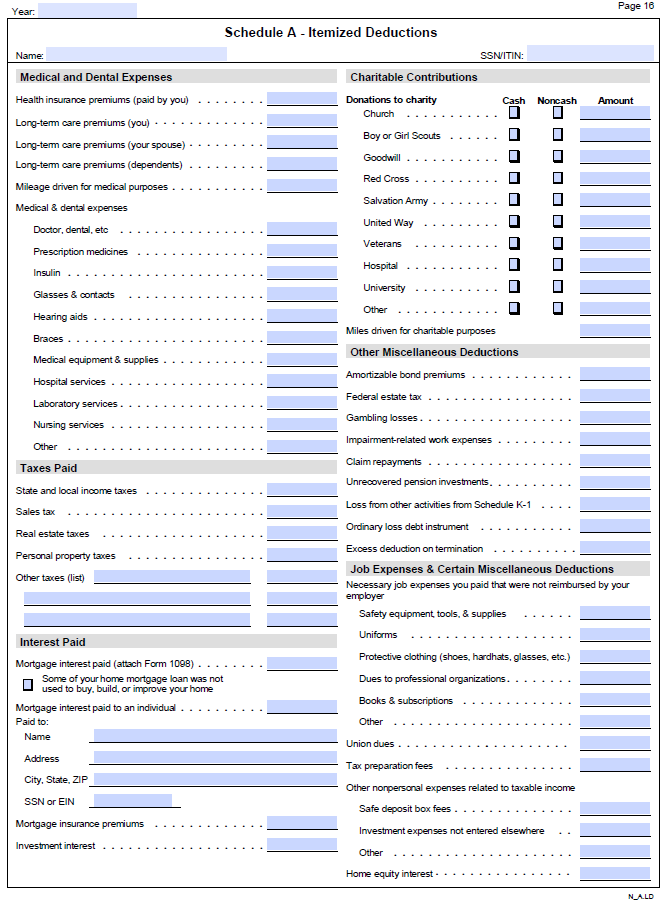
Mortgage interest remains a heavyweight. Interest on up to $750,000 of mortgage debt qualifies if the loan was taken after December 15, 2017.
Old loans might still be grandfathered under the previous $1 million limit. Know which bucket you’re in to avoid surprises.
Charitable Contributions
Donations to qualified charities can be a fantastic deduction, but documentation is king here. Keep those acknowledgment letters.
Remember, in 2027, cash gifts still get the lion’s share of the deduction value compared to non-cash items, which can be more complicated to value.

Common Mistakes That Suck Your Refund Dry
Ignoring the Standard Deduction Threshold
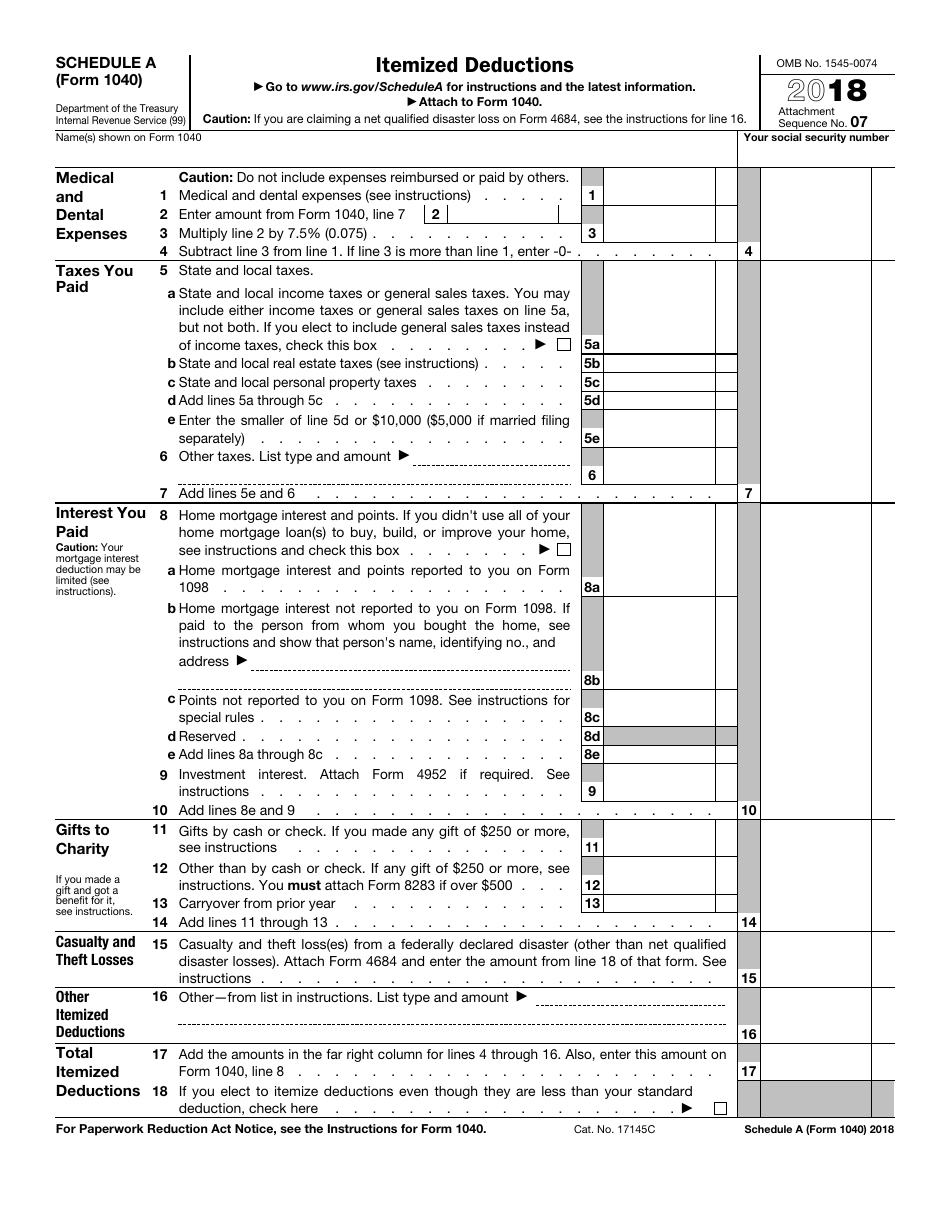
Some filers blindly itemize without checking if the standard deduction might be better. For 2027, single filers get $14,000, married couples $28,000. If your itemized total doesn’t beat that, you’re losing out.
Forgetting to Bundle Expenses
Did you know piling certain expenses into one year can push you over the threshold? Like delaying a medical procedure or prepaying property taxes.
This tactic can be a lifesaver, especially if you hover near deduction limits. You can also check out this post for related insights.
Overlooking Documentation
Speaking from years of prepping returns, the IRS loves paperwork. Without receipts or statements, deductions can get tossed faster than yesterday’s coffee.
Investing time in organizing your docs throughout the year saves headaches come tax season.

Hands-On Tips From the Trenches: What I’ve Learned About Schedule A
One tax season, a client came in with a shoebox full of receipts but was missing crucial medical expense records. We pieced together bank statements and contacted providers—tedious but worth it. That extra diligence unlocked $3,000 in deductions.
My takeaway? Never underestimate the power of persistence and detail. Schedule A rewards the meticulous filer.

Another nugget: don’t blindly trust tax software defaults. b form provides further details on this. Always review if itemizing beats the standard deduction for your unique situation. Tax software can miss nuances only a seasoned eye catches.

Putting It All Together: A Step-By-Step Guide to Maximize Your 2027 Deductions
- Gather all potential deduction documents early—medical bills, tax payments, mortgage statements, donation receipts.
- Calculate your total itemized deductions and compare against the 2027 standard deduction.
- Consider timing your payments strategically—like bunching charitable donations or prepaying property taxes.
- Ensure you have proper documentation for each deduction to withstand IRS scrutiny.
- Review your draft return carefully or consult a tax professional for complex scenarios.
🚀 Beginner Tip: Keep a dedicated folder or digital app for your deductions year-round. No last-minute scramble.
Frequently Asked Questions
Should I always itemize on Schedule A for 2027?
Not necessarily. If your total itemized deductions don’t exceed the standard deduction ($14,000 for singles, $28,000 for married filing jointly in 2027), it’s smarter to take the standard deduction.
Can I include home equity loan interest on Schedule A?
Only if the loan proceeds were used to buy, build or substantially improve your home. Personal expenses paid with a home equity loan don’t qualify.
How do changes in tax laws affect Schedule A deductions?
Tax laws evolve, but many 2027 deductions, like the SALT cap and mortgage interest limits, remain. Always check for updates to avoid missing critical changes.
What records should I keep to support my Schedule A claims?
Keep receipts, bank statements, bills, canceled checks, and letters from charities. The IRS can ask for proof years after you file.
Can I amend my return to add Schedule A deductions later?
Yes, you have up to three years to file an amended return. But don’t delay—more waiting means more risk of lost refunds.

Kyle Wells is a seasoned scheduling expert with over a decade of experience in optimizing time management and productivity. Passionate about helping individuals and organizations maximize their potential through effective scheduling strategies, Kyle is committed to delivering insightful content on Schedule Central.