What You Need to Know About the China Harmonized Tariff Schedule 2027
Why the China Harmonized Tariff Schedule 2027 Demands Your Full Attention
Ever tried cracking a code that changes every year? That’s exactly what facing the China Harmonized Tariff Schedule 2027 feels like for many traders. The stakes are high, and getting it wrong means costly delays or penalties.
Here, you’ll find an insider’s peek into the latest tariff shifts and how they reshape import-export dynamics in 2026 and beyond. Be sure to explore promotional schedule as well.
📌 Quick Summary: The China Harmonized Tariff Schedule 2027 introduces targeted tariff updates affecting key sectors like electronics and textiles. Understanding these changes is crucial for businesses aiming to maintain smooth cross-border operations and avoid costly misclassifications.
Breaking Down the China Harmonized Tariff Schedule 2027: What’s New?
China’s tariff rules are infamous for their complexity, but this latest schedule brings some surprising tweaks. Certain product categories now face adjusted duty rates, reflecting shifts in global trade policies and domestic priorities.
For example, electronics components, especially those linked to 5G technology, have seen rate modifications to encourage innovation without compromising revenue. Be sure to explore ny fashion as well.
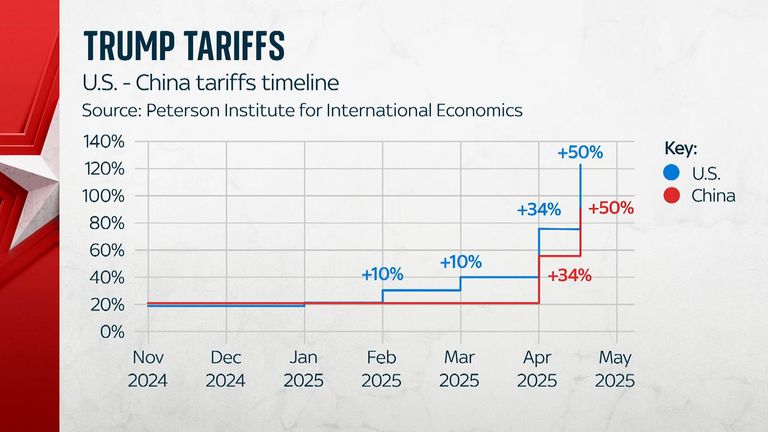
Revised Duty Rates on Key Goods
Some tariffs have increased, while others dropped to zero, particularly in raw materials critical for manufacturing. This patchwork means businesses must reassess their supply chains carefully.
New Classification Rules and Their Impact
Beyond rates, the 2027 schedule updates classification criteria, adding layers of nuance to how goods are categorized. Misclassifying even a simple item like a smartphone accessory can cause customs headaches.
From my experience dealing with customs brokers, these subtle classification changes often trip up companies that don’t invest in updated training or software. Additionally, this helpful guide covers similar aspects.
Preparing Your Business for 2027: Strategic Moves That Matter
Ignoring these tariff updates is a luxury no serious trader can afford. The best approach? Proactive adjustments in documentation, supplier contracts, and pricing strategies.
Audit Your Product Listings Now
Review your product codes against the new schedule. This step often uncovers hidden opportunities for cost savings or alerts you to looming compliance risks.
Enhance Communication With Customs Partners
Customs brokers and freight forwarders are your frontline allies. Keeping them in the loop about tariff changes avoids last-minute surprises and ensures smoother clearance.
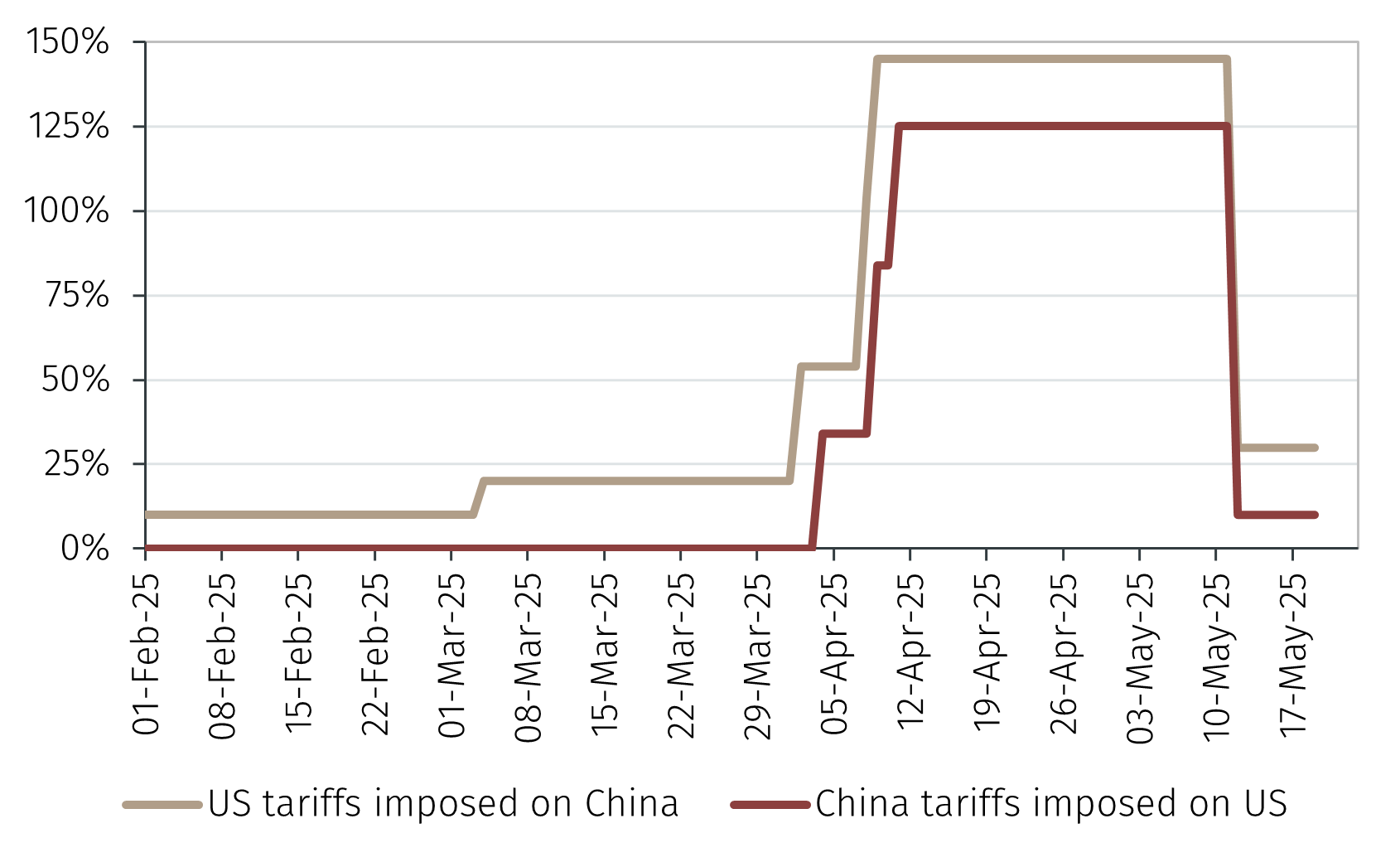
Invest in Training and Technology
Automated classification tools and staff education on the latest tariff nuances will save headaches and money in 2026 and 2027.
How the China Harmonized Tariff Schedule 2027 Shapes Global Trade Events
Trade expos and promotional events worldwide are buzzing about the tariff updates. They directly influence pricing, market entry strategies, and product launches.
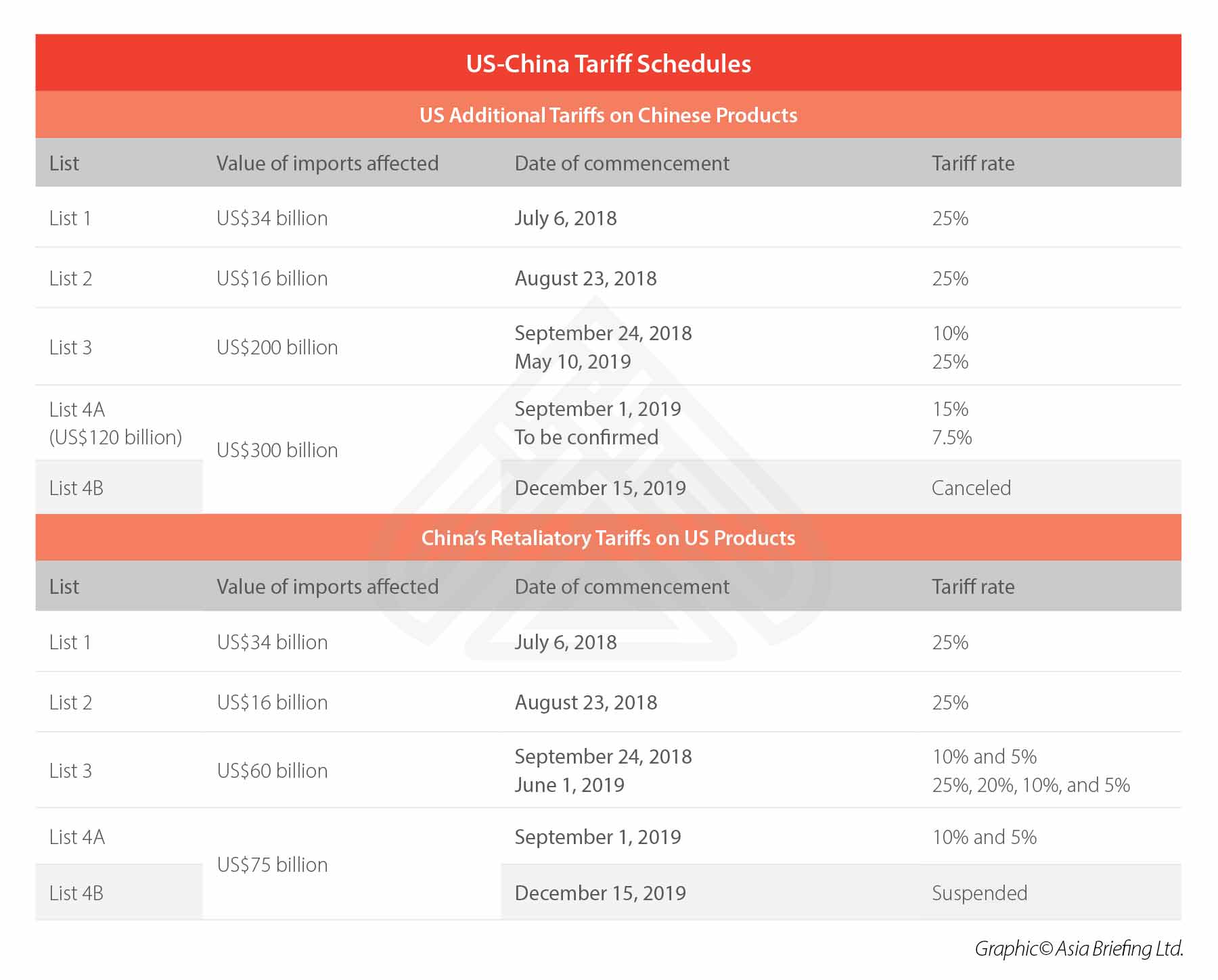
For instance, exporters eyeing the U.S. You can also check out medicare fee schedule dme for related insights. market are recalibrating their China-based manufacturing plans after seeing how tariffs have shifted.
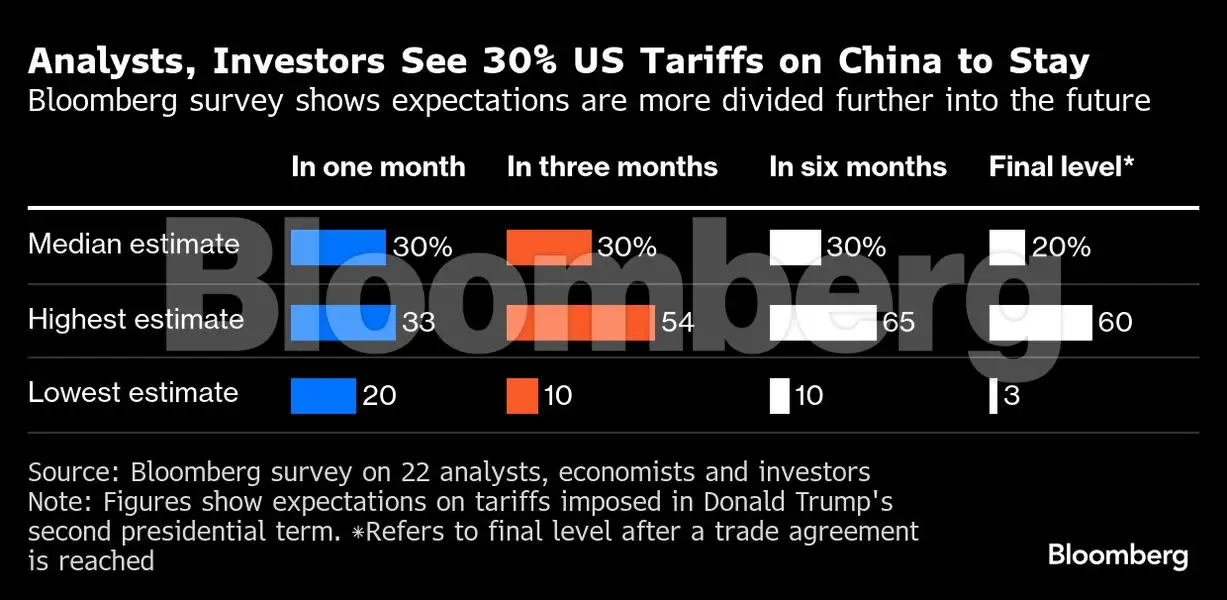
Trump to keep 30% China tariffs till late 2025, analysts say – The …
Source: economictimes.indiatimes.com
Opportunities in Promotional Events and Trade Shows
Understanding tariff schedules enables businesses to position their products competitively at international events. Timing shipments to align with tariff cycles can be a game-changer.
Risks of Non-Compliance at Large-Scale Events
Failing to comply with the updated tariff classifications can lead to detentions or fines during promotional events, damaging reputations and bottom lines.
Expert Tips From the Front Lines of Import-Export in 2026
Having navigated multiple tariff updates over the past decade, I can say this: the 2027 schedule is less about radical overhaul and more about precision adjustments. The devil’s in the details.
One client, a mid-sized electronics parts supplier, saved thousands by realigning their HS codes before the new schedule took effect.
💬 “The 2027 tariff schedule isn’t just a rulebook—it’s a map. If you follow it closely, it guides you to smarter business decisions.”
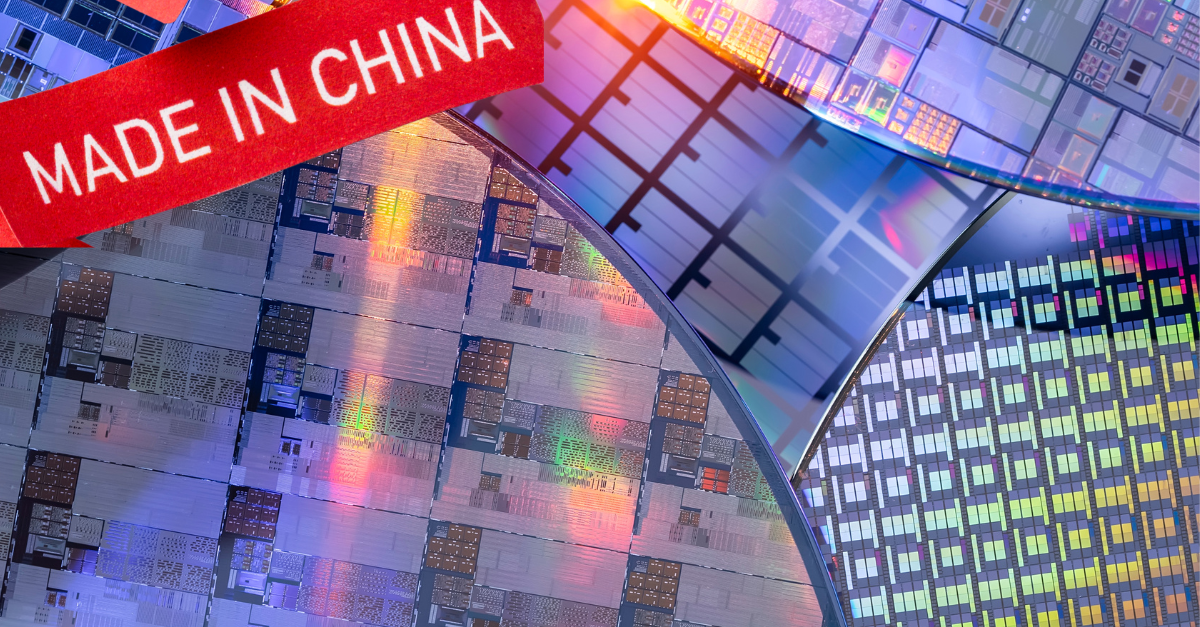
Practical Advice for Traders
- Start early: Don’t wait until January 2027 to react.
- Double-check your product classifications.
- Leverage customs experts for clarity.
Tools That Make a Difference
Customs software with real-time tariff updates and scenario modeling is a must-have in 2026.
Frequently Asked Questions
What is the China Harmonized Tariff Schedule?
It’s an official list that categorizes goods and assigns tariff rates for imports and exports involving China. It’s essential for customs clearance and trade compliance.
How often does China update its tariff schedule?
Typically, updates occur annually or when trade policy shifts demand adjustments. The 2027 schedule reflects the latest changes effective for that year.
What sectors are most affected by the 2027 tariff changes?
Key sectors include electronics, textiles, and raw materials critical for manufacturing and technology development.
Can businesses challenge tariff classifications?
Yes, but it requires thorough documentation and often legal expertise. Early engagement with customs can prevent costly disputes.
How can I stay updated on future tariff schedules?
Regular consultation with customs brokers, subscribing to trade bulletins, and investing in classification software are effective ways to stay informed.

Kyle Wells is a seasoned scheduling expert with over a decade of experience in optimizing time management and productivity. Passionate about helping individuals and organizations maximize their potential through effective scheduling strategies, Kyle is committed to delivering insightful content on Schedule Central.