Complete Guide to the 2027–2028 School Year Calendar
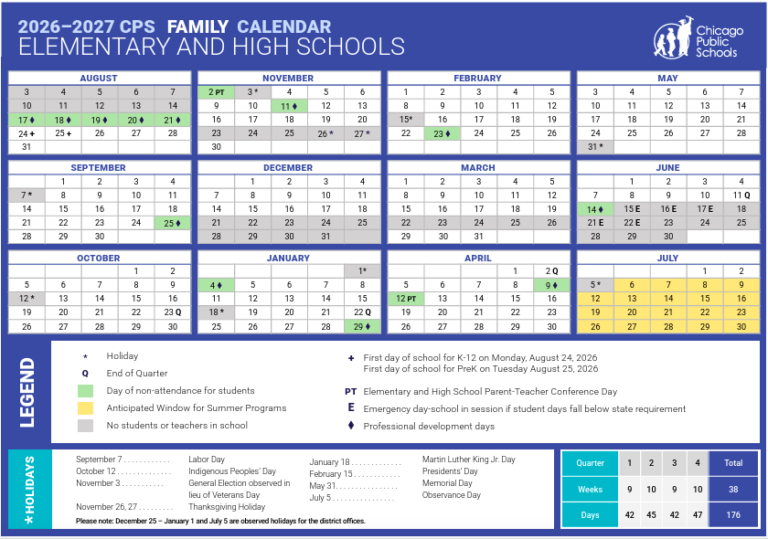
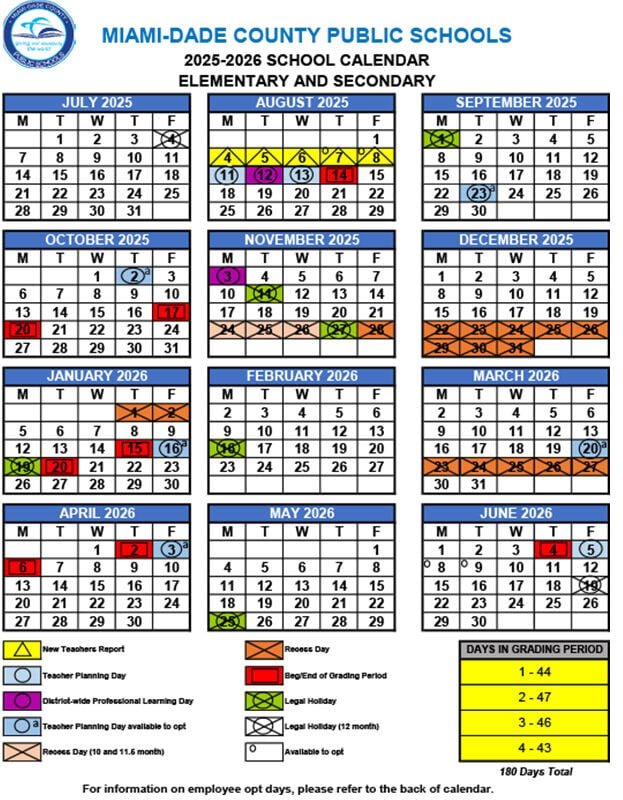
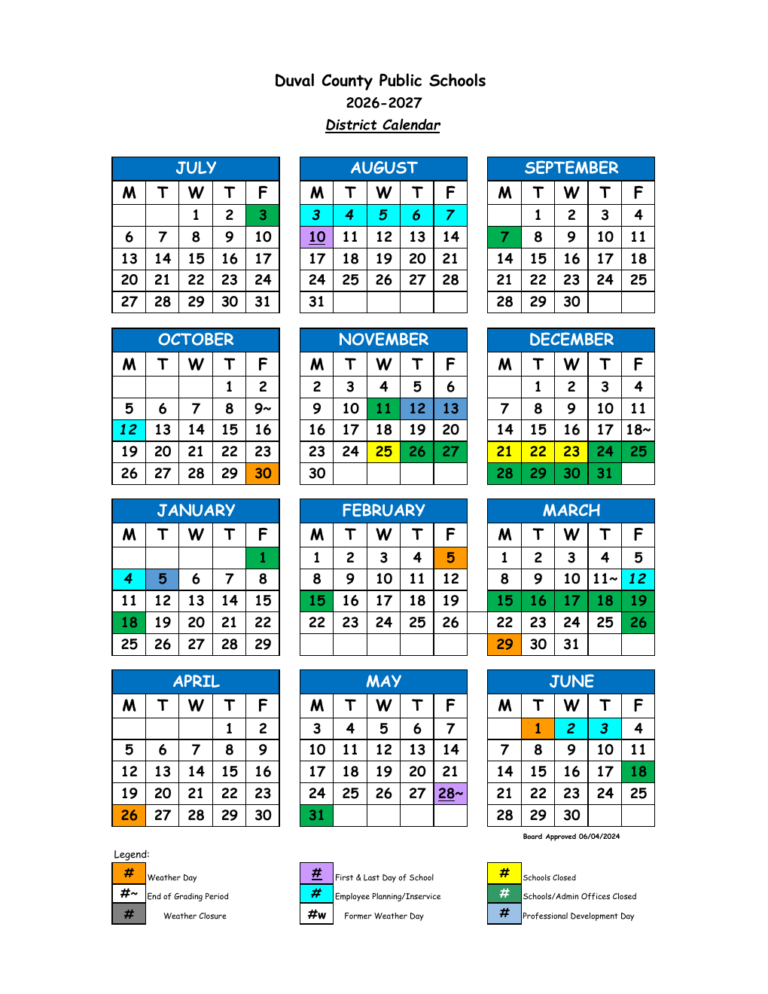
The school year is filled with important academic deadlines, holidays, examinations, extracurricular activities, and family commitments. A well-structured school year calendar helps students, parents, and educators stay organized and prepared throughout the academic year.
Whether planning assignments, scheduling vacations, preparing for exams, or coordinating school activities, a comprehensive school calendar serves as an essential organizational tool.
Why School Calendars Matter
School calendars provide a clear overview of the academic year.
Benefits include:
- Improved academic planning
- Better time management
- Reduced scheduling conflicts
- Enhanced communication
- Better exam preparation
- Organized extracurricular activities
- Improved family scheduling
A school calendar helps everyone involved in education remain informed and prepared.
Understanding the Academic Year
Most academic years are divided into multiple instructional periods.
Common structures include:
Two-Semester System
Many schools and colleges divide the academic year into fall and spring semesters.
Trimester System
Some educational institutions organize instruction into three terms.
Quarter System
Certain colleges and universities operate using four academic quarters throughout the year.
Understanding your institution’s structure helps with long-term planning and academic success.
Important Dates to Track
Students and families should monitor several key dates throughout the year.
Examples include:
- First day of school
- Semester start dates
- Parent-teacher conferences
- School holidays
- Examination periods
- Graduation dates
- Registration deadlines
- School breaks
Recording these dates early reduces last-minute stress.
Semester Planning Strategies
Many students improve academic performance by organizing coursework according to semester milestones.
Using semester planning timelines and milestone tracking systems can help students manage assignments, projects, exams, and long-term educational goals more effectively.
Breaking large academic responsibilities into smaller phases often improves consistency and performance.
Managing School Breaks Effectively
School breaks provide opportunities for rest, travel, and academic preparation.
Common breaks include:
- Winter break
- Spring break
- Summer vacation
- Public holidays
Planning ahead allows families to coordinate travel, activities, and educational opportunities.
Spring Academic Planning
Spring is often one of the busiest periods of the academic year.
Students frequently prepare for:
- Standardized testing
- Final projects
- Course registration
- End-of-year assessments
Many families use an April printable calendar to organize spring events, testing schedules, school activities, and holiday commitments during this particularly busy season.
School Calendar Planning for Parents
Parents often rely on school calendars to coordinate:
- Family vacations
- Childcare arrangements
- School events
- Sports schedules
- Medical appointments
- Community activities
Maintaining an organized calendar improves communication and reduces scheduling conflicts.
School Calendar Planning for Teachers
Teachers use academic calendars to:
- Develop lesson plans
- Schedule assessments
- Coordinate school events
- Monitor grading deadlines
- Organize instructional activities
A structured academic calendar supports effective classroom management throughout the year.
Digital and Printable School Calendars
Modern schools often provide calendars in multiple formats.
Printable Calendars
Printable versions are useful for home organization and quick reference.
Digital Calendars
Digital calendars support:
- Automatic reminders
- Mobile access
- Shared scheduling
- Real-time updates
Many families combine both formats for maximum flexibility.
Academic Time Management Tips
Students can improve productivity by:
- Reviewing schedules weekly.
- Recording deadlines immediately.
- Creating study plans.
- Breaking large projects into smaller tasks.
- Scheduling regular review sessions.
- Monitoring progress throughout the semester.
Consistent planning reduces academic pressure and improves performance.
Common School Calendar Mistakes
Avoid these common errors:
- Ignoring important deadlines
- Waiting until exams approach
- Failing to review schedules regularly
- Not coordinating family calendars
- Missing registration periods
- Overcommitting extracurricular activities
Simple planning habits often prevent these issues.
Frequently Asked Questions
Why is a school year calendar important?
A school calendar helps students, parents, and educators organize academic activities and important dates.
What should students track?
Students should monitor assignments, exams, registration deadlines, school breaks, and extracurricular activities.
Are digital calendars useful for students?
Yes. Digital calendars help students manage deadlines, reminders, and long-term schedules.
How often should academic calendars be reviewed?
Weekly reviews are recommended, with daily checks during busy periods.
Can parents benefit from school calendars?
Absolutely. School calendars support family scheduling, travel planning, and event coordination.
Final Thoughts
A well-organized school year calendar helps students, parents, and educators navigate academic responsibilities with greater confidence and efficiency. By tracking important dates, planning ahead, and maintaining consistent organizational habits, individuals can reduce stress and improve educational outcomes throughout the 2027–2028 academic year.
Effective planning is one of the most valuable skills for long-term academic success.