What to Expect from the Lunar Eclipse Schedule 2027: Key Events and Viewing Tips
When the Moon Turns Dark: Tracking Lunar Eclipses in 2027
Ever caught yourself staring up, wondering when the moon will put on its next shadowy show? The lunar eclipse schedule 2027 is packed with moments that will steal your breath—if you know where and when to look.
This article breaks down all the crucial eclipse dates, visibility zones, and insider tips to make sure you don’t miss a beat of these cosmic performances. You can also check out fair schedule for related insights.
📌 Quick Summary: The year 2027 offers several lunar eclipses, including both partial and total types, visible from various parts of the globe. Mark your calendar for these celestial highlights and learn how to catch the best views without fancy gear.
Understanding Lunar Eclipses: The Basics You Need Before 2027
What Exactly Happens During a Lunar Eclipse?
Picture the Earth casting its shadow on the moon like a giant cosmic curtain. That’s a lunar eclipse in action. It occurs when the Earth slips between the sun and moon, blocking sunlight from reaching the lunar surface.
There are three main types: total, partial, and penumbral eclipses, each offering a different level of shadow play. Be sure to explore holiday schedule round as well.
Types of Lunar Eclipses to Watch for in 2027
- Total Lunar Eclipse: The moon is fully covered by Earth’s umbra, often glowing a fiery red.
- Partial Lunar Eclipse: Only a portion of the moon enters Earth’s umbra, creating a distinct “bite” effect.
- Penumbral Lunar Eclipse: The moon passes through Earth’s penumbra, causing a subtle darkening that’s easy to miss.
Each offers a unique experience, but total eclipses steal the show with their dramatic reddish hues, sometimes called “blood moons.”
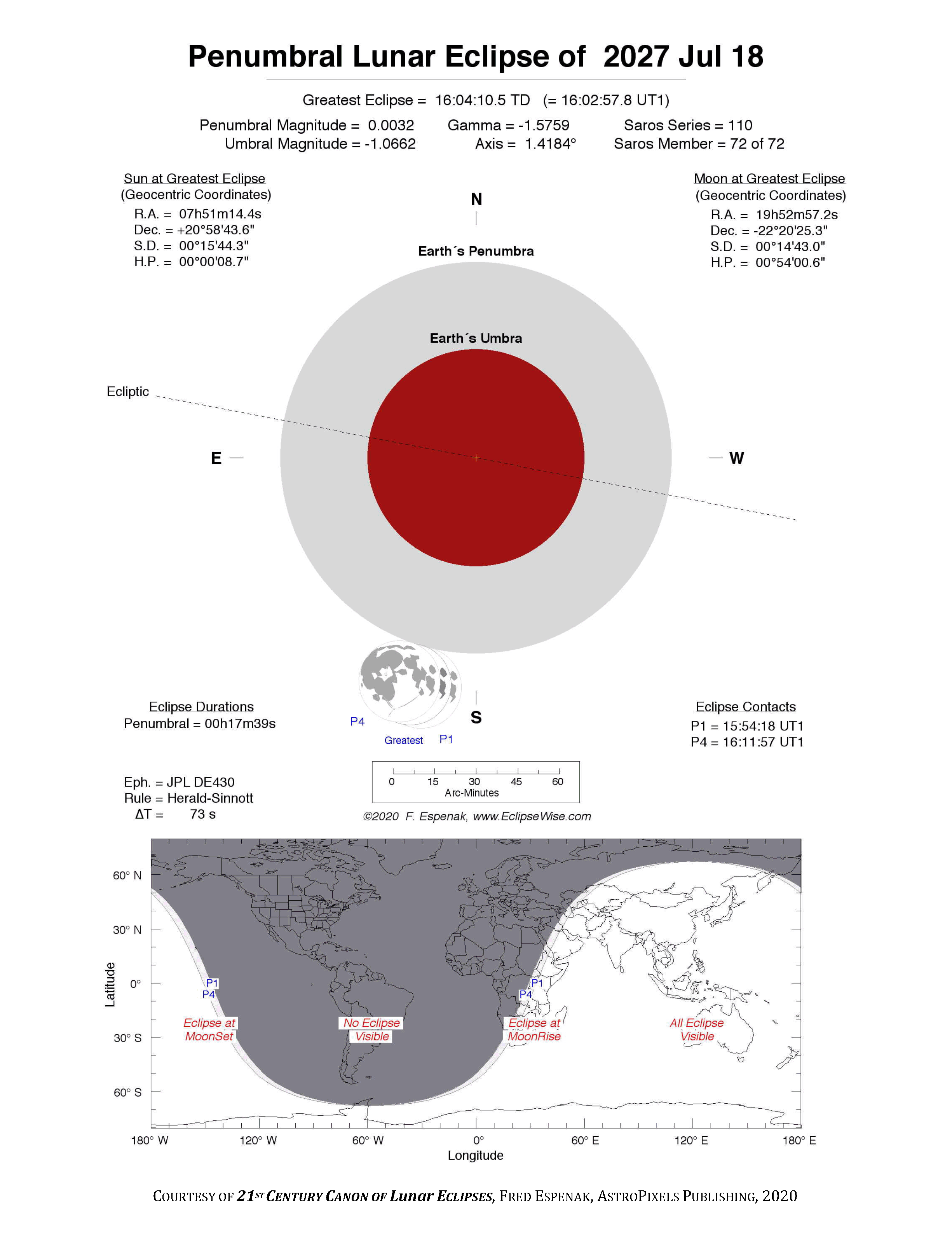
Mark Your Calendar: The Lunar Eclipse Schedule 2027 Dates and Visibility
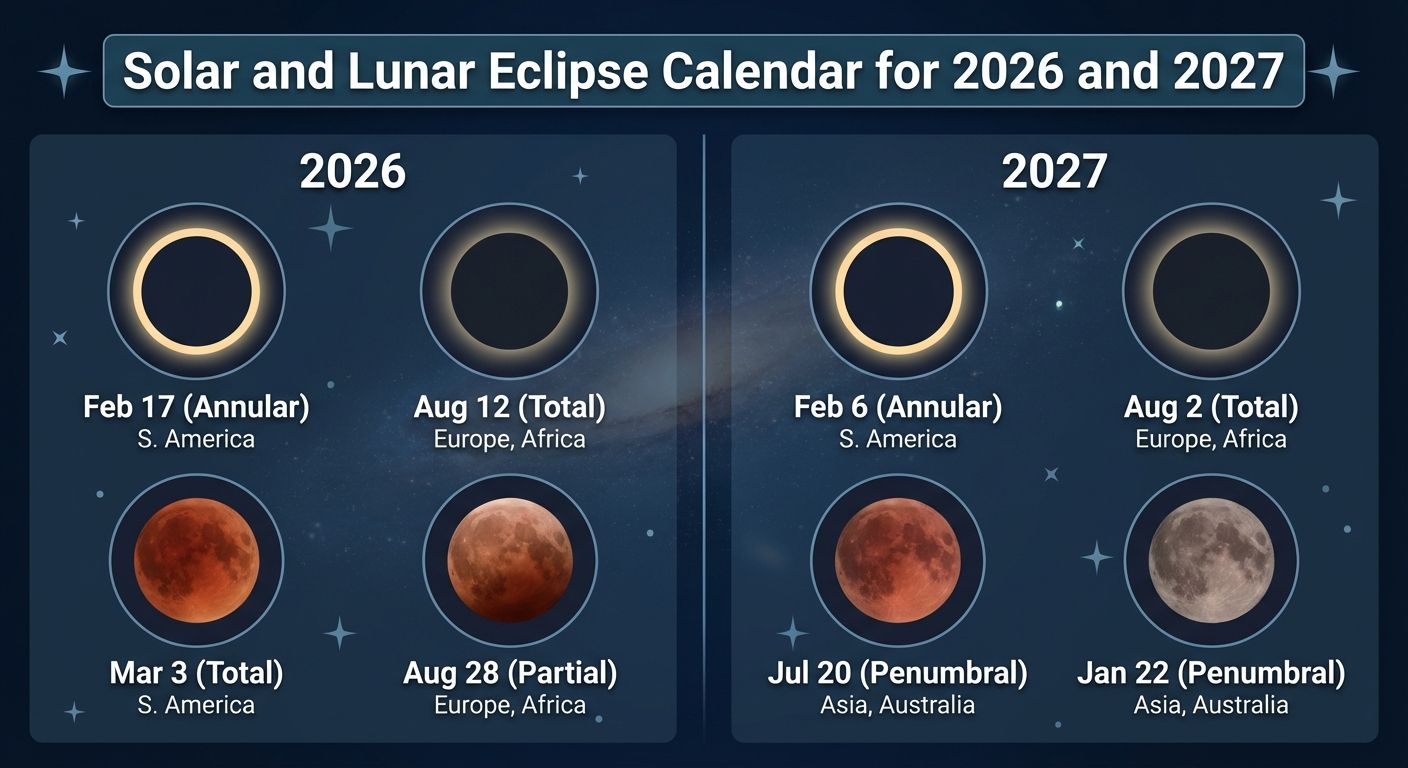
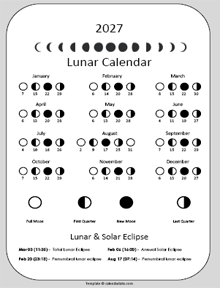
Ready for the nitty-gritty? Here’s the lunar eclipse roadmap for 2027, including the best spots on Earth to witness each event.
| Date | Type of Eclipse | Visibility Regions | Peak Time (UTC) |
|---|---|---|---|
| February 11-12, 2027 | Total Lunar Eclipse | North and South America, Western Europe, Africa | 04:45 |
| July 7, 2027 | Partial Lunar Eclipse | Asia, Australia, Eastern Africa | 19:15 |
| August 6-7, 2027 | Penumbral Lunar Eclipse | Europe, Africa, Asia | 23:30 |
| December 31, 2027 – January 1, 2028 | Partial Lunar Eclipse | North America, South America, Western Europe | 01:10 |
Notice the February total eclipse? That’s the one to pencil in if you’re chasing the full spectacle. It’s rare to get such a clear, sweeping view spanning continents.
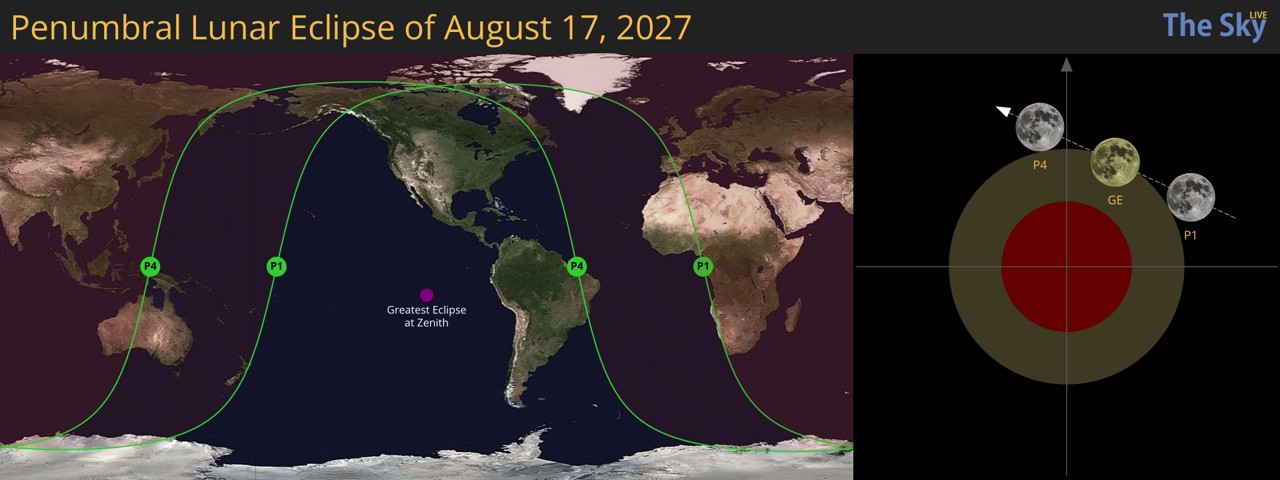
How to Experience the Lunar Eclipses of 2027 Like a Pro
Where to Watch? Location Matters More Than You Think
Being in the right spot can turn a dull shadow into a jaw-dropping event. For instance, during the February total eclipse, sitting somewhere with a clear western horizon like the eastern United States or western Africa will be a win.
Cloud cover is the sneakiest spoiler. Additionally, freeman stage covers similar aspects. I once missed a lunar eclipse because of a sudden storm—lesson learned: always check local weather a day ahead.
Gear Up Without Breaking the Bank
Good news: you don’t need a telescope or fancy camera to enjoy lunar eclipses. Your naked eyes, a comfy chair, and a warm drink will do just fine.
But if you want to capture the magic, a DSLR with a zoom lens and a tripod can bring out the moon’s details and colors beautifully.
Timing Is Everything: Don’t Miss the Peak Moments
The eclipse phases can last hours, but the most dramatic changes happen in brief windows. Be ready 15 minutes before and after the peak time listed for each eclipse.
Setting a reminder on your phone has saved me more than once from staring at an empty sky at the wrong time—the moon moves fast through Earth’s shadow!

Frequently Asked Questions About the Lunar Eclipse Schedule 2027
Will all lunar eclipses in 2027 be visible everywhere?
No, visibility depends heavily on your geographic location and local time. Each eclipse is only fully visible from certain parts of the world. Check the schedule to see if your region falls within the viewing zones.
Can lunar eclipses be dangerous to watch?
Absolutely not. Unlike solar eclipses, lunar eclipses are safe to watch with the naked eye—no special glasses required.
Why does the moon sometimes look red during a total lunar eclipse?
The reddish tint, often called a “blood moon,” happens because Earth’s atmosphere bends sunlight and scatters shorter wavelengths, letting red light reach the moon.
Is there a difference between a lunar eclipse and a supermoon?
Yes. A supermoon occurs when the moon is closest to Earth in its orbit, appearing larger and brighter. A lunar eclipse is about Earth’s shadow falling on the moon. Sometimes they can happen near each other, but they’re different phenomena.
My Personal Eclipse Story: Why 2027 Should Be Your Year to Watch
Years ago, I stood on a chilly rooftop watching a total lunar eclipse. The moon slipped into shadow, glowing eerie red against the black sky. No gadget could replicate that sense of awe.
In 2027, you don’t have to travel far or invest in pricey equipment to catch similar moments. For more context, shrine circus is worth reviewing. Just pick a clear night, find a dark spot, and look up. Trust me, it’s worth it.
Expert Tips to Maximize Your 2027 Lunar Eclipse Experience
- Check the eclipse times well in advance and plan your viewing spot accordingly.
- Scout locations with minimal light pollution—urban skylines kill the magic.
- Dress warmly; eclipses often happen late at night or early morning.
- Bring snacks and a friend—sharing the moment makes it unforgettable.
- Use binoculars or a telescope if you want a closer look, but it’s optional.
Remember, the lunar eclipse schedule 2027 isn’t just dates; it’s an invitation to witness nature’s silent theater unfold above us. Don’t let these moments slip by unnoticed.

Kyle Wells is a seasoned scheduling expert with over a decade of experience in optimizing time management and productivity. Passionate about helping individuals and organizations maximize their potential through effective scheduling strategies, Kyle is committed to delivering insightful content on Schedule Central.